

Nail Biting Habits: Hidden Dangers You Must Know Before It’s Too Late
Chronic nail biting may seem harmless but can indicate stress and anxiety, cause severe infections, and even threaten your nails and bones if left untreated without professional care
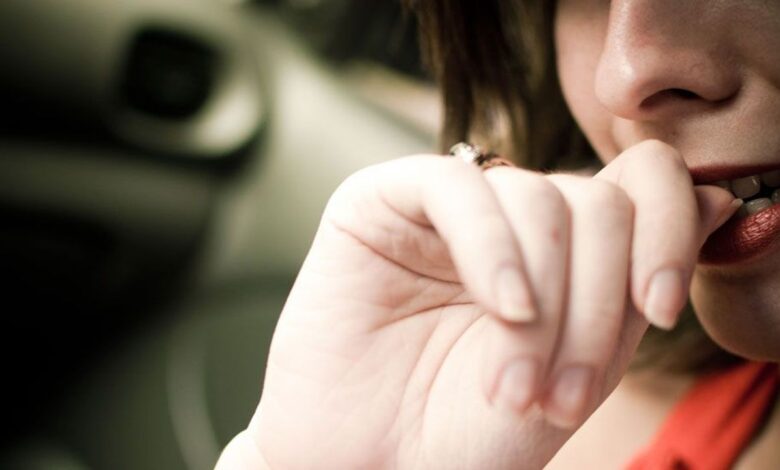
Many people chew their nails without realizing it, often during periods of stress, boredom, or anxiety. While it may seem like a harmless habit, medical experts classify frequent nail biting as part of obsessive-compulsive behavior. Over time, this habit can cause serious damage, not only to your nails but also to your overall health.
Nail biting, medically called dermatophagia, often starts as a way to relieve tension or calm the mind during stressful situations. However, repeated biting becomes a compulsive behavior and can escalate into a full-blown addiction that is difficult to break. Experts describe this as a repetitive body-focused behavior that can gradually harm the nail structure and surrounding skin.
The consequences of persistent nail biting can be alarming. Continuous biting damages the nail bed, preventing healthy growth and causing deep pain as nails grow irregularly or become embedded in the skin. Additionally, bacteria around the nail base can enter the bloodstream, leading to paronychia, a painful infection causing redness, swelling, and pus around the nails. If left untreated, this infection can penetrate deeper, reaching the bones and potentially causing gangrene. In extreme cases, surgical removal of the affected nail may become necessary to prevent the infection from spreading further.
Breaking the habit requires consistent effort and preventive measures. Keeping nails trimmed and neat reduces the temptation to bite. Applying safe, bitter-tasting nail pastes discourages chewing by making the experience unpleasant. Managing stress through daily exercises, breathing techniques, or meditation can also help curb the compulsion.


For children or adults struggling with severe nail biting, professional guidance is essential. Dermatologists or therapists can provide strategies to address the behavior and prevent long-term damage. Early intervention not only protects your nails but also safeguards your overall health and prevents complications from infections.
Taking nail care seriously and addressing the underlying stress or anxiety is key to stopping this seemingly small habit from turning into a dangerous problem.