
Persistent Hair Loss in Women May Signal Hidden Health Issues Experts Warn
Doctors say excessive hair fall in women beyond normal daily shedding may indicate underlying conditions such as thyroid imbalance anemia hormonal disorders or chronic stress requiring medical attention and lifestyle changes.
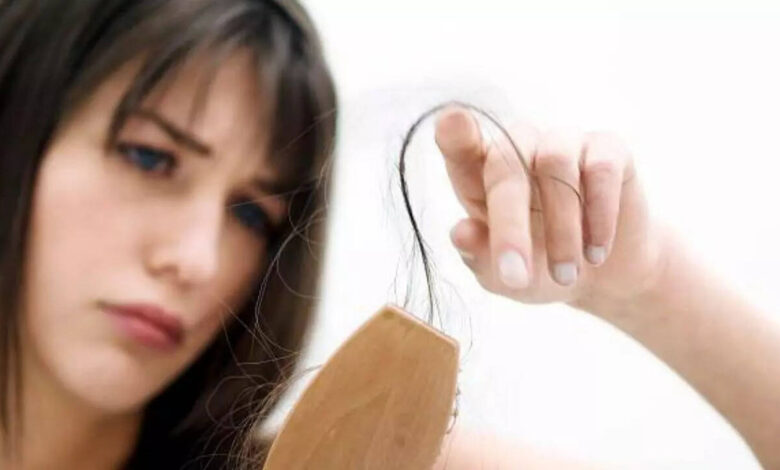
Hair fall is a concern many women experience at some point, but health experts say it should not always be dismissed as a routine issue. While losing a small number of strands every day is considered normal, continuous or heavy hair shedding may signal deeper health problems that deserve attention.
Dermatologists explain that the average person can lose around fifty to one hundred strands of hair daily as part of the natural hair growth cycle. New hair typically grows in place of the old strands. However, when hair begins to fall out in larger clumps during combing, washing or even simple styling, it may indicate that the body is facing internal stress or medical imbalance.
In many cases, persistent hair loss is linked to nutritional deficiencies. Iron deficiency, which often leads to anemia, is one of the most common causes. When the body lacks sufficient iron, the hair follicles may become weak and unable to support healthy hair growth. As a result, hair may become thin, brittle and prone to shedding.
Hormonal changes are another major factor that can affect hair health. Conditions such as thyroid disorders may disrupt the body’s hormone balance, weakening hair roots and accelerating hair loss. Women with hormonal conditions like polycystic ovary syndrome also frequently report increased hair fall along with other symptoms related to hormonal imbalance.

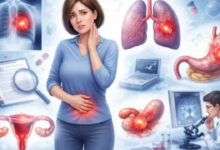
Stress can also play a powerful role. Long periods of emotional or physical stress may disturb hormonal activity in the body, which can push more hair follicles into the shedding phase. This condition, often triggered by stress, can cause noticeable thinning of hair over time.
Apart from medical causes, certain lifestyle habits may also contribute to the problem. Frequent use of chemical based hair products, excessive heat styling or tying hair too tightly can weaken the hair roots. Over time these practices may damage the scalp and lead to increased hair breakage.
Some women may face a higher risk of hair loss due to genetic factors. If there is a family history of thinning hair or hair loss, the chances of experiencing similar issues may increase. In such situations, early care and preventive measures become even more important.
Health specialists recommend maintaining a balanced diet rich in protein, iron and essential vitamins to support strong hair growth. Foods such as leafy greens, nuts, eggs and fruits can help provide nutrients that the hair follicles need to remain healthy.
Managing stress, getting enough sleep and avoiding harsh hair treatments can also help protect hair strength. Gentle hair care routines and limited use of heat styling tools may reduce unnecessary strain on the scalp.
Doctors emphasize that if hair loss continues for several months or becomes severe, seeking medical advice is important. Early diagnosis can help identify whether the cause is nutritional, hormonal or related to another health condition.
By paying attention to these warning signs and making timely lifestyle adjustments, many women can prevent minor hair fall from developing into a more serious health concern.