Piles Risk Starts With These Overlooked Digestive Signs
Doctors say ignoring early bowel related warning signs can raise piles risk across ages and lifestyles urging timely attention to constipation habits discomfort and digestion changes before complications grow silently
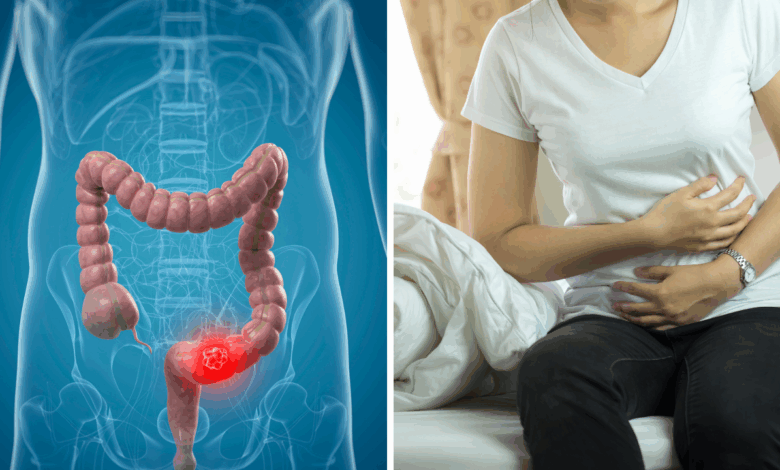
Piles, also known as hemorrhoids, are often dismissed as a minor discomfort. Health experts warn that this casual attitude can be risky. What begins as a simple digestive issue can gradually turn into a painful condition if early signs are ignored.
One of the strongest warning signals is persistent constipation. Many people assume irregular bowel movements are normal, but doctors say passing stools fewer than three times a week is not something to brush aside. When this pattern continues, pressure builds in the rectal area, increasing the likelihood of piles over time.
Difficulty during bowel movements is another red flag. If a person depends on coffee, hot water or prolonged effort just to pass stools, it points toward an underlying bowel problem. Pain, strain or discomfort while using the toilet indicates that digestion and bowel habits need immediate attention.
A feeling of incomplete evacuation is also considered an important symptom. Normally, bowel movement leaves the stomach feeling light and relaxed. When constipation is present, people often report heaviness or discomfort even after using the toilet. Experts say this sensation suggests waste buildup, which can trigger piles if it becomes routine.

Hard and dry stools are another clear sign the body is not functioning properly. Even those who visit the toilet daily may still suffer from constipation if stools are difficult to pass. This repeated strain damages rectal veins, gradually leading to hemorrhoids.
Frequent heartburn and digestive discomfort may also be linked. While occasional acidity after heavy or oily meals is common, regular burning sensations especially after bowel movements are more concerning. Doctors note that poor digestion and bowel imbalance often go hand in hand, increasing pressure in the lower digestive tract.
Health professionals stress that piles are not limited to older adults. Children, pregnant women and young adults can all be affected, largely due to dietary habits, lack of fiber and ignoring early symptoms. Recognizing these signs early and correcting bowel routines can prevent a minor issue from becoming a long term health problem.