Pippali Returns to Spotlight as Ayurveda’s Quiet King of Spices
Once limited to traditional remedies pippali is gaining fresh attention for its role in easing breathing issues digestion pain immunity and overall wellness making it a trusted spice with modern relevance today
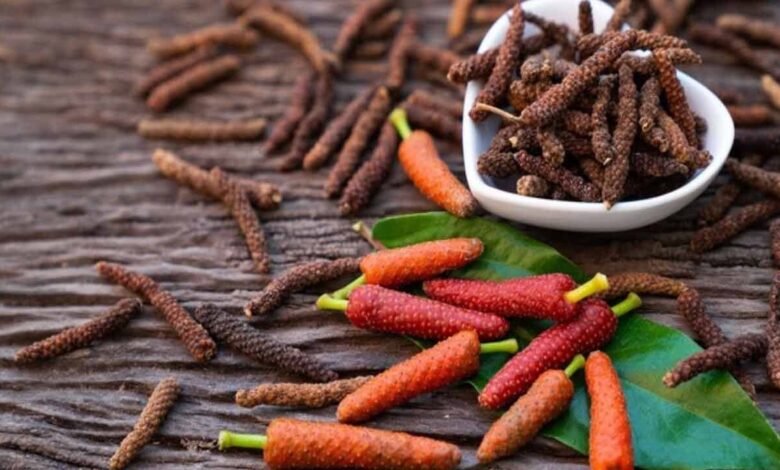
Indian kitchens have always been more than places where meals are prepared. They quietly double as home pharmacies, stocked with spices that do far more than add flavor. One such ingredient now drawing renewed interest is pippali, often called the king of aromatic spices in Ayurveda.
Pippali has been used for centuries in traditional medicine, but many households still overlook its everyday value. Ayurveda texts describe it as a powerful natural remedy, particularly effective for digestion and respiratory health. Ancient practitioners relied on it to manage a wide range of conditions, a practice that continues even today.
What makes pippali stand out is piperine, its active compound. This element helps stimulate digestive enzymes, improves nutrient absorption and supports smooth digestion. People suffering from indigestion or stomach discomfort often find relief through its regular and careful use.
Respiratory care is where pippali truly shines. Ayurvedic experts say it helps clear excess mucus from the body, easing breathing difficulties. It has long been recommended for asthma bronchitis chronic cough and recurring colds. When mixed with honey, pippali powder is believed to reduce throat irritation and nasal congestion effectively.


Beyond digestion and breathing, pippali also supports the body’s defense system. Its natural properties help strengthen immunity and assist the body in fighting bacterial and viral infections. This makes it especially useful during seasonal illnesses.
Another important benefit is its anti inflammatory action. Pippali is known to help reduce swelling pain and stiffness, offering relief to people dealing with joint pain and arthritis related discomfort. Traditional healers often used it as part of pain management remedies.
Pippali also plays a role in internal cleansing. It is believed to purify the blood and help remove toxic waste from the body. When taken with honey, it is said to support heart health and improve overall circulation.
Health experts note that while pippali is powerful, it should be used in moderation. A small quantity added to daily routines can offer noticeable benefits without side effects.
As interest grows in natural and preventive healthcare, pippali is once again finding its place in modern conversations. This age old spice proves that some of the most effective solutions have been sitting quietly on kitchen shelves all along.