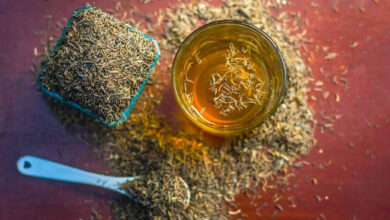

Pippali spice brings powerful traditional health benefits for immunity, digestion and respiratory wellness
Ancient Ayurvedic spice Pippali known as long pepper supports breathing health, improves digestion, boosts immunity and helps manage lifestyle disorders when used in balanced and guided way
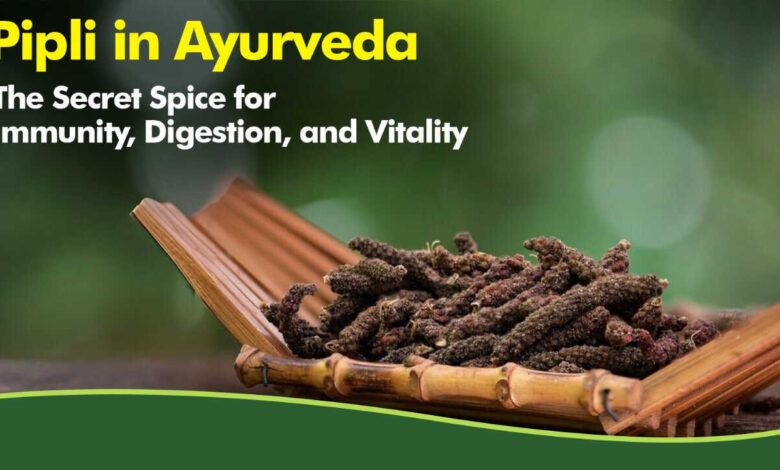
Pippali, commonly known as long pepper, holds a respected place in traditional Indian Ayurveda. Though small in appearance, it is considered powerful for its wide range of healing properties. For generations, it has been used as a natural remedy to support overall wellness, especially during seasonal changes when infections are more common.
One of the most well known benefits of Pippali is its effect on the respiratory system. It is often used to ease cough, cold and breathing discomfort. People dealing with long term cough, asthma or chest congestion are traditionally advised to use it in powdered form mixed with honey. This combination is believed to help clear mucus and provide relief in the airways.
Digestive health is another area where Pippali shows strong impact. It is known to support better appetite and reduce common issues like bloating and indigestion. By improving metabolism, it helps the body process food more efficiently. Traditional usage also suggests that it assists in reducing unwanted fat buildup and supports natural detoxification.
Beyond digestion and respiration, Pippali is also linked with blood sugar management. When used carefully under medical guidance, it may help maintain balanced glucose levels in the body. Its antioxidant properties are also believed to support liver health and protect it from certain stress related conditions.


Despite its benefits, experts emphasize moderation. Pippali has a naturally warming effect on the body, which means excessive use may not suit everyone. Pregnant women and individuals with heat sensitivity are generally advised to consult a healthcare professional before including it in their routine.
When consumed in the right amount, Pippali powder mixed with honey is often recommended in traditional practice for improving digestion and cleansing the body. Regular but controlled use is believed to support immunity and help maintain overall metabolic balance. Health practitioners also note its potential role in supporting liver function and general wellness when used responsibly.