

Rare Forest Fruit from Adilabad Wins Hearts with Unique Taste and Health Benefits
A lesser known seasonal fruit found in forest regions is gaining attention for its unique taste, rich nutrients and traditional value among tribal communities who consider it a natural health booster
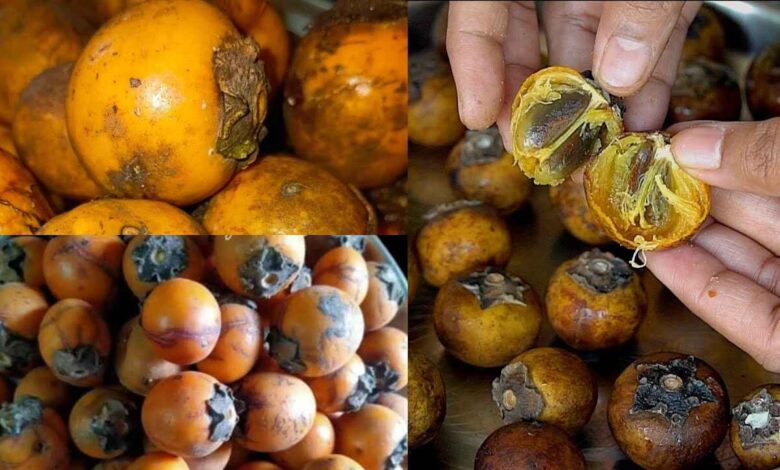
Deep inside the forest regions of Adilabad, a rare seasonal fruit continues to attract attention for both its flavor and health benefits. Known locally as Thuniki fruit, it remains unfamiliar to many outside the region but holds a special place among tribal communities.
Often referred to as a natural treasure, this fruit is available only during the peak summer months of April and May. Its limited availability adds to its appeal, with locals eagerly waiting each year for the harvest season. Tribal families begin collecting the fruit early in the morning, heading into forest areas before sunrise to gather it fresh.
Despite its small size and rough outer layer, the fruit surprises with a soft, delicate pulp inside. Its taste is a unique blend of mild sweetness and slight tanginess, making it unlike commonly available fruits. Many who try it once often look forward to tasting it again, drawn by its distinct flavor.
Beyond taste, the fruit is valued for its nutritional profile. It contains a good balance of essential minerals, fiber and vitamins such as A and C, which help strengthen immunity and support overall health. Experts note that its composition includes relatively low carbohydrates and higher protein content compared to many other fruits.


Health benefits associated with the fruit have been widely discussed in local communities. It is believed to aid digestion due to its high fiber content and may help maintain stable blood sugar levels. Additionally, the presence of potassium and low sodium content is said to support blood pressure regulation.
Traditional knowledge also highlights its role in improving eyesight and helping with minor oral health issues. While scientific validation is still limited, these long held beliefs continue to influence its popularity among indigenous populations.
What makes the Thuniki fruit even more special is its deep connection to local culture and seasonal rhythms. It is not commercially farmed or widely sold, which means access is largely restricted to those living near forest areas.
As interest in natural and region specific foods grows, such hidden gems are slowly gaining recognition beyond their native regions. For many, discovering fruits like Thuniki offers not just a new taste experience but also a glimpse into traditional lifestyles that have long valued nature’s offerings.