

Rare Herbal Plant Gains Attention for Traditional Healing Claims
Kondapindi plant known in traditional practices is believed to support kidney health digestion and natural detox but experts advise caution and proper medical consultation before relying on herbal remedies alone
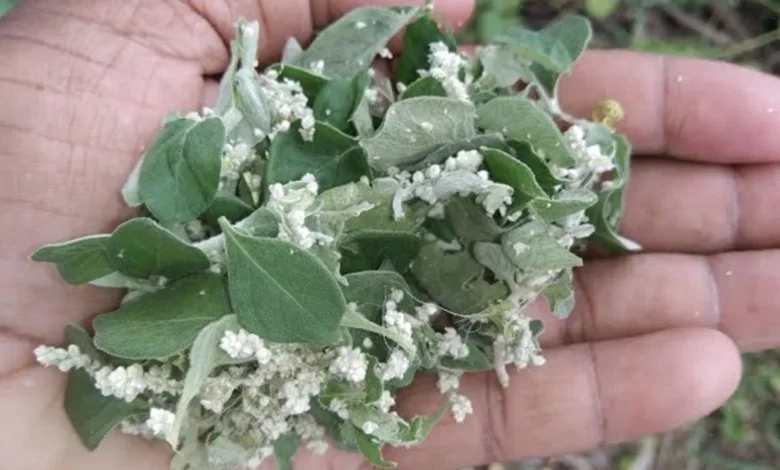
A lesser known medicinal plant commonly referred to as Kondapindi is drawing renewed interest for its long standing use in traditional healing practices. Often described by elders as priceless, the plant has been valued in herbal knowledge systems for its potential benefits in supporting kidney health and digestion.
The plant, which grows naturally in certain regions, is easily identified by its small leaves and delicate white flowers. Despite its simple appearance, it has been regarded in traditional Indian herbal practices as a powerful natural remedy. Many local communities have relied on it for generations to address everyday health concerns.
One of the most widely discussed uses of the Kondapindi plant is in managing kidney related issues. Traditional belief suggests that the leaves may help in reducing kidney stones and supporting urinary health. Some people consume fresh leaves early in the morning on an empty stomach, while others prefer preparing a decoction by boiling the leaves in water until it reduces and then drinking it.
Apart from kidney care, the plant is also associated with digestive benefits. It is believed to help ease common problems such as constipation, bloating, and sluggish digestion. In many households, it has been used as a natural option to maintain gut health and improve overall metabolism.


Another common method of consumption involves drying different parts of the plant including leaves, flowers, and stems. These are shade dried over several days and then ground into a fine powder. The powder is typically mixed with warm water and consumed either in the morning or before bedtime. According to traditional practices, this routine may help cleanse the digestive system and promote better bowel movement.
While such remedies continue to be popular in rural and traditional settings, health experts advise a balanced approach. Herbal treatments can offer supportive benefits, but they should not replace professional medical care, especially for serious conditions like kidney stones or infections. Consulting a qualified healthcare provider remains essential before trying any new remedy.
The growing interest in natural and plant based solutions has brought attention back to herbs like Kondapindi. However, awareness about proper usage, dosage, and scientific validation is equally important to ensure safety and effectiveness.
As more people explore alternatives rooted in nature, the Kondapindi plant stands as a reminder of the deep connection between traditional knowledge and everyday wellness, while also highlighting the need for informed and cautious use.