
Raw Milk During Pregnancy May Raise Miscarriage Risk Doctors Urge Strict Food Safety
Health experts warn pregnant women to avoid unboiled milk and unpasteurized dairy as harmful bacteria can trigger infections preterm labor miscarriage and serious complications for newborn babies
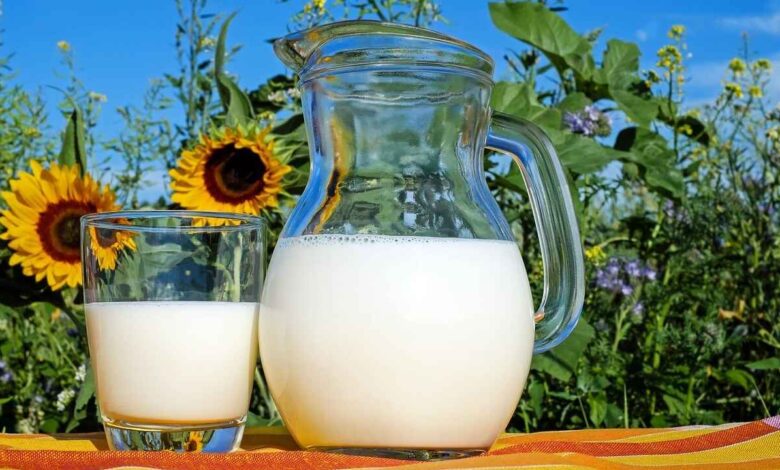
Pregnancy often brings careful attention to diet, with families ensuring that expectant mothers receive enough calcium and protein. Milk is commonly seen as a wholesome choice during this time. However, doctors caution that consuming raw or unboiled milk during pregnancy can quietly turn a healthy habit into a serious health threat.
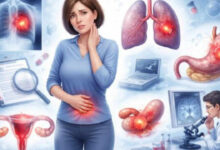
Medical specialists explain that a pregnant woman’s immune system naturally becomes slightly weaker to support the growing fetus. This makes her more vulnerable to infections. Raw milk may contain harmful bacteria such as Listeria, which can enter the body quickly if the milk has not been properly heated. Once infected, the bacteria can spread through the bloodstream and affect the uterus, increasing the risk of preterm labor or even miscarriage.
The danger does not stop with the mother. Infections contracted during pregnancy can pass through the placenta to the unborn baby. This may result in severe health complications at birth, long term developmental issues or life threatening conditions in newborns. Doctors emphasize that what may seem like mild food poisoning symptoms in adults can have far more serious consequences during pregnancy.
Foodborne illnesses such as vomiting, diarrhea and fever are already risky for expectant mothers because they can lead to dehydration and weakness. When the source is contaminated dairy, the complications may escalate rapidly. Health professionals say that assuming raw milk is more nutritious is a misconception that needs to be corrected.

Pasteurization plays a crucial role in ensuring safety. Heating milk at high temperatures effectively destroys harmful microorganisms without significantly reducing its nutritional value. For this reason, experts strongly recommend choosing pasteurized milk from reliable sources or thoroughly boiling milk at home before consumption.
Pregnant women are also advised to avoid cheeses and other dairy products made from unpasteurized milk. Even refrigerated milk should be checked for its expiry date and reheated before use if necessary. Carefully reading product labels and confirming that dairy items are pasteurized can reduce preventable risks.
Doctors underline that pregnancy is a period where even small dietary mistakes can have lasting effects. Taking simple precautions, such as avoiding raw milk and ensuring proper food hygiene, can go a long way in protecting both mother and child.