

Rice or Roti Which Choice Supports Better Heart Health
Health experts say the debate between rice and roti is becoming more important as rising cases of obesity diabetes and heart disease force people to rethink everyday eating habits carefully.
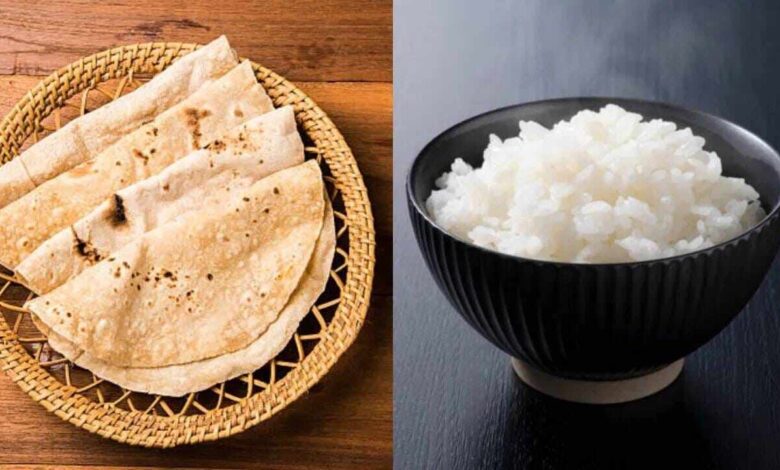
The long running debate in Indian households over whether rice or roti is healthier has once again gained attention as heart related illnesses continue to rise across the country. Doctors and nutrition experts now believe that the choice between these two staple foods can influence weight management cholesterol levels and overall heart health.
For many families, rice and roti are more than just food choices. They are part of daily tradition and comfort. However, modern lifestyle diseases such as diabetes high blood pressure and obesity are forcing people to look more closely at what they eat every day.
Nutritionists explain that fiber plays a major role in protecting the heart. Whole wheat roti contains significantly more fiber compared to polished white rice. Fiber helps remove bad cholesterol from the body and supports smoother digestion. White rice, especially heavily polished varieties, contains very little fiber and is mostly made up of simple carbohydrates that can contribute to fat accumulation if consumed excessively.
Experts also point toward the glycemic index, which measures how quickly food raises blood sugar levels. White rice has a relatively high glycemic index, meaning it can cause a rapid spike in blood sugar and insulin levels soon after eating. Frequent spikes over time may increase the risk of metabolic disorders linked to heart disease. Roti, especially when prepared from whole wheat flour, releases energy more gradually and helps maintain stable blood sugar levels for longer periods.


Doctors say mineral content is another important factor. Wheat naturally contains higher levels of magnesium and potassium than polished rice. These minerals support healthy blood circulation and help regulate blood pressure by relaxing blood vessels. Proper blood flow reduces stress on the heart and supports cardiovascular function.
Still, experts warn that not all rotis are automatically healthy. Many households add extra salt while preparing dough, which may increase sodium intake. People already suffering from high blood pressure or heart conditions are advised to limit added salt as much as possible.
Weight control also plays a critical role in heart health. Since rice is digested quickly, hunger often returns sooner, leading some people to eat larger portions throughout the day. Rotis made from whole grains contain complex carbohydrates that keep the stomach full for a longer time. This can help reduce overeating and support healthy weight management.
Health specialists are increasingly recommending multigrain rotis instead of relying only on refined wheat flour. Flour made from millets oats ragi or sorghum can provide additional nutrients that benefit the heart and improve digestion. These grains are also gaining popularity among fitness conscious consumers.
For people who cannot completely avoid rice, experts suggest switching from polished white rice to brown rice. Brown rice retains more fiber and nutrients because it undergoes less processing. Adding vegetables to rice preparations can further improve nutritional value and reduce the overall carbohydrate load of the meal.
Doctors emphasize that overall plate balance matters more than choosing a single perfect food. A healthy meal should ideally include vegetables leafy greens pulses and protein alongside rice or roti. Portion size and cooking methods are equally important in maintaining heart health.
Nutrition experts say there is no universal answer in the rice versus roti debate because dietary needs vary from person to person. However, making informed choices and focusing on balanced eating habits can go a long way in protecting long term heart health.