

Rising Hair Loss in Young Adults Linked to Lifestyle and Health Factors
Experts warn increasing cases of early hair loss among youth are driven by stress poor diet lack of sleep and genetics highlighting the need for lifestyle changes to protect hair health
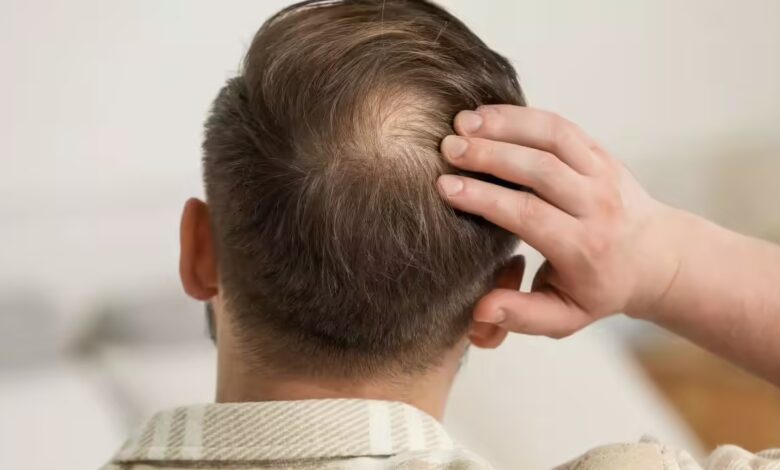
Hair loss, once considered a concern mainly for older adults, is now affecting people in their twenties at an alarming rate. Many young individuals are experiencing visible thinning and early baldness, leading not just to physical changes but also emotional stress and reduced confidence.
Health experts point out that this growing issue is not caused by age alone. A combination of modern lifestyle habits, poor nutrition and underlying health conditions is playing a major role. Among these, digestion is emerging as a key factor. When the body fails to properly absorb nutrients from food, essential elements like protein, iron and biotin do not reach the hair roots, weakening them over time.
Another major contributor is hormonal imbalance, often triggered by stress and lack of sleep. Busy urban lifestyles are pushing many young people to sleep less than the recommended hours, which increases levels of stress hormones such as cortisol. This disrupts the natural hair growth cycle and can push hair follicles into a resting phase, leading to faster hair fall.
Genetics also remains a strong factor in early baldness. A condition known as Androgenetic alopecia can be inherited, meaning individuals with a family history of baldness are more likely to experience it at a younger age. However, experts say that while genetics cannot be changed, its effects can sometimes be delayed with proper care.


Dietary habits further add to the problem. Increased consumption of processed and junk food, combined with a lack of physical activity, reduces overall body health and indirectly impacts hair strength. Without proper nourishment and blood circulation, hair follicles struggle to remain healthy.
Specialists emphasize that early hair loss should not be ignored as merely a cosmetic issue. It often reflects deeper health imbalances within the body. Addressing the root causes can significantly improve outcomes.
Simple lifestyle changes can make a noticeable difference. Maintaining a balanced diet rich in vitamins and minerals, exercising regularly to improve blood flow and managing stress through activities like yoga and meditation can support healthier hair growth. Adequate sleep, ideally seven to eight hours each night, is equally important in maintaining hormonal balance.
While it may not always be possible to completely stop hair loss, adopting healthier habits can slow down the process and help preserve hair for longer. Experts suggest that timely action and awareness are crucial in managing this increasingly common concern among the younger population.