

Sapota Fruit Offers Energy and Nutrients but May Not Suit Everyone Experts Advise Caution
Sapota commonly known as chikoo is packed with vitamins minerals and natural sugars that boost energy and digestion but doctors warn people with diabetes and certain conditions should limit intake
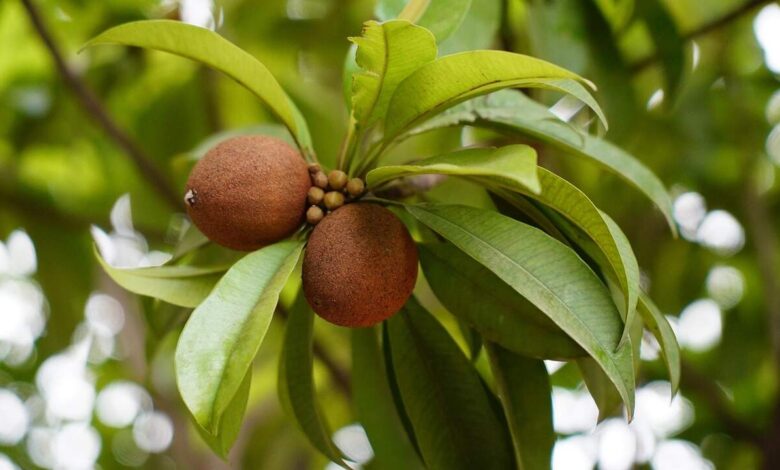
Sapota, popularly known as chikoo, is a fruit loved for its rich sweetness and soft texture. Though its brown outer appearance may seem ordinary, the fruit inside is naturally sweet and packed with nutrients. Many people enjoy it as a quick snack, especially because it provides instant energy and contains several vitamins and minerals that support overall health.
Health experts say sapota can be a valuable addition to a balanced diet when eaten in moderation. The fruit contains natural sugars such as fructose and sucrose, which help provide a rapid boost of energy. This makes it a popular choice among people who feel tired or need a quick source of fuel during the day.
Apart from its natural sweetness, sapota is also rich in dietary fiber. Fiber plays an important role in maintaining digestive health and can help relieve common problems such as constipation. Regular consumption in moderate amounts may improve gut function and support smoother digestion.
Sapota also contains essential minerals including calcium, phosphorus and iron. These nutrients contribute to stronger bones and help maintain healthy blood circulation. For growing children in particular, these minerals are important for proper development and overall physical growth.


The fruit also contains vitamin E, which is widely known for its benefits to the skin. Vitamin E helps maintain skin elasticity and may reduce the chances of early wrinkles. In addition, the antioxidants present in sapota help remove harmful toxins from the body and support the immune system.
Nutritionists often recommend sapota for people who need additional energy in their diet. Athletes and physically active individuals may benefit from the carbohydrates present in the fruit, especially after intense workouts when the body needs quick recovery. Pregnant women may also gain some benefits from the nutrients and folic acid content when the fruit is consumed in limited quantities and under medical guidance.
However, doctors warn that sapota may not be suitable for everyone. One of the biggest concerns is its high sugar content. People with diabetes are usually advised to avoid or strictly limit sapota because it has a relatively high glycemic index. Eating the fruit in large quantities can quickly increase blood sugar levels, which can be risky for diabetic patients.
People trying to lose weight should also be careful. Sapota contains a significant number of calories due to its natural sugar content. While it can be part of a healthy diet, consuming it frequently or in large amounts may make weight management more difficult.
Another important point to consider is the ripeness of the fruit. Eating unripe sapota may cause throat irritation or digestive discomfort because it contains latex compounds that can trigger mouth ulcers or indigestion in some individuals.
People suffering from kidney related health problems should also consult a doctor before adding sapota regularly to their diet. The fruit contains potassium, which can be beneficial for many people but may require careful monitoring in individuals with kidney conditions.
Health experts emphasize that sapota remains a nutritious fruit when consumed responsibly. Like many naturally sweet fruits, the key lies in moderation. For healthy individuals, a small portion can provide energy and nutrients, but those with specific health conditions should always seek medical advice before including it frequently in their meals.