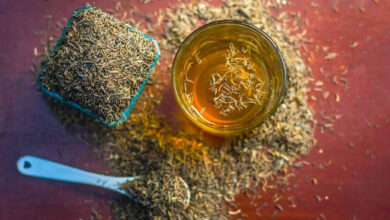

Shatavari Plant Known for Powerful Ayurvedic Benefits Gains Attention for Natural Healing
Often mistaken for a wild plant, Shatavari has long been valued in traditional medicine for supporting digestion, women’s health, immunity and overall vitality through its nutrient rich underground roots.
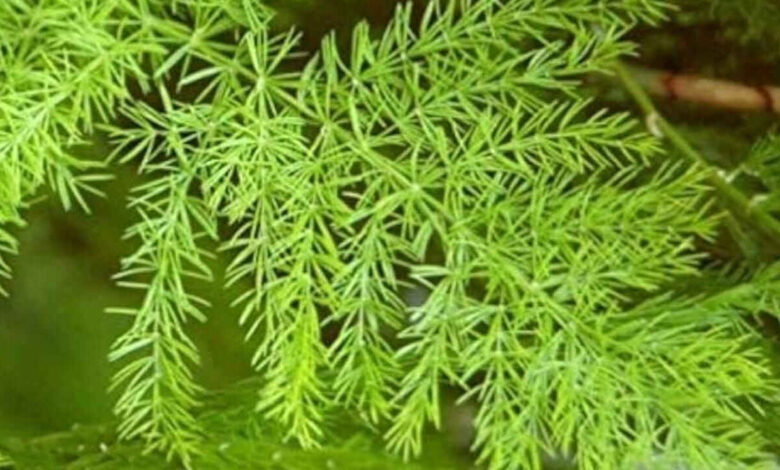
Across rural landscapes and farm edges, a thorny climbing plant often grows quietly without drawing much attention. Many people pass by it thinking it is just another wild vine. However, this modest looking plant known as Shatavari has been valued for centuries in traditional healing systems for its remarkable medicinal properties.
Scientifically called Asparagus racemosus, Shatavari is widely used in Ayurveda where it is considered a powerful rejuvenating herb. The plant produces clusters of tuberous roots underground that contain a variety of natural compounds believed to support health and vitality. Because of these properties, Shatavari is commonly used in herbal powders, tablets and tonics prepared by traditional practitioners.
Experts say the underground tubers contain several bioactive compounds including steroidal glycosides and other plant based chemicals. These natural elements are believed to contribute to the herb’s wide range of health benefits. In many Ayurvedic formulations, Shatavari is included to support digestion, hormonal balance and overall body strength.
Digestive health is one of the most widely discussed benefits of the plant. Herbal practitioners often recommend Shatavari powder mixed with water for individuals dealing with stomach irritation, ulcers or persistent digestive discomfort. Regular intake in moderate amounts is believed to help calm the digestive system and improve appetite.


The herb is also traditionally used to support kidney and urinary health. In some practices, Shatavari powder is taken with natural sweeteners before bedtime to help ease urinary discomfort. People suffering from certain kidney related issues have historically relied on the plant as part of herbal therapy under medical guidance.
Another area where Shatavari has gained recognition is women’s health. Ayurvedic texts often describe it as a herb that helps support hormonal balance and reproductive health. Women experiencing menstrual irregularities or certain uterine concerns have traditionally used Shatavari based remedies as supportive treatment.
Beyond internal health, the plant is also used externally in some remedies. The root can be ground into a paste and applied to areas affected by joint discomfort or nerve weakness. Traditional healers believe this may help provide relief and strengthen affected areas.
Nutrition experts also point out that the tubers contain various nutrients that may help people dealing with weakness or poor nutrition. In some regions, dried Shatavari roots are powdered and consumed with milk as a nourishing supplement believed to improve physical strength and stamina.
Another benefit associated with the herb is its calming effect on the mind. Some people use Shatavari preparations at night to help reduce stress and promote better sleep. Traditional healers say it may help ease mental tension and support relaxation after long and tiring days.
Though widely respected in traditional medicine, health specialists advise that herbal remedies should always be used carefully and ideally with professional guidance. Today, Shatavari is available in different forms including powders, capsules and herbal pastes, making it easier for people to include the plant in modern wellness routines.
As interest in natural remedies continues to grow, the humble Shatavari plant once dismissed as a wild vine is being rediscovered for its long standing place in traditional health practices.