Silent Threat: When a Fatty Liver Becomes Dangerous and Signs You Should Never Ignore
Fatty liver disease is on the rise due to lifestyle and dietary habits, and recognizing early warning signs can prevent serious liver damage and long-term health complications.
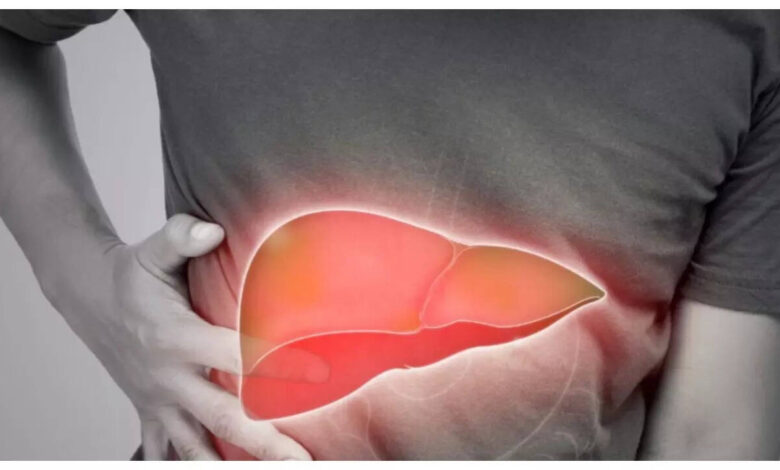
Fatty liver has increasingly become a common health concern in recent years. It occurs when excess fat accumulates in the liver, which may initially appear harmless but can develop into a serious medical condition if left untreated. Experts warn that liver disease often begins with fatty liver, and in many cases, it can progress silently without noticeable symptoms.
There are two main types of fatty liver disease. Alcoholic fatty liver develops from excessive alcohol consumption and was historically more common. However, non-alcoholic fatty liver cases are rising rapidly, even among people who do not drink alcohol. Poor dietary choices, obesity, sedentary lifestyle, and frequent consumption of fast food contribute to this trend, and alarmingly, even children are now being diagnosed with fatty liver.
A fatty liver becomes particularly dangerous when fat buildup is accompanied by inflammation. Medically, this condition is known as non-alcoholic steatohepatitis or NASH. If inflammation is left unchecked, it can cause severe liver damage over time. People with existing conditions such as high blood pressure or diabetes are at even higher risk, as the progression of symptoms can accelerate and lead to significant liver complications.
Some common warning signs of fatty liver to watch for include persistent fatigue, general weakness, discomfort or pain in the upper right abdomen, loss of appetite, and yellowing of the eyes. Ignoring these symptoms can allow the disease to progress unnoticed, making early detection crucial.


Preventive measures focus on lifestyle modifications. Reducing consumption of refined carbohydrates, engaging in daily physical activity, and seeking medical advice at the first signs of abdominal pain or unusual fatigue can significantly lower the risk of complications. Routine monitoring of liver health is especially recommended for those with existing metabolic conditions.
Recognizing fatty liver early and taking proactive steps can protect liver function and prevent the silent progression of what could otherwise become a serious, life-altering disease.