

Simple Home Tests to Detect Adulterated Milk and Protect Family Health
Consumers can identify water starch detergent or synthetic additives in milk using easy household methods helping ensure purity safety and better health for their families every day
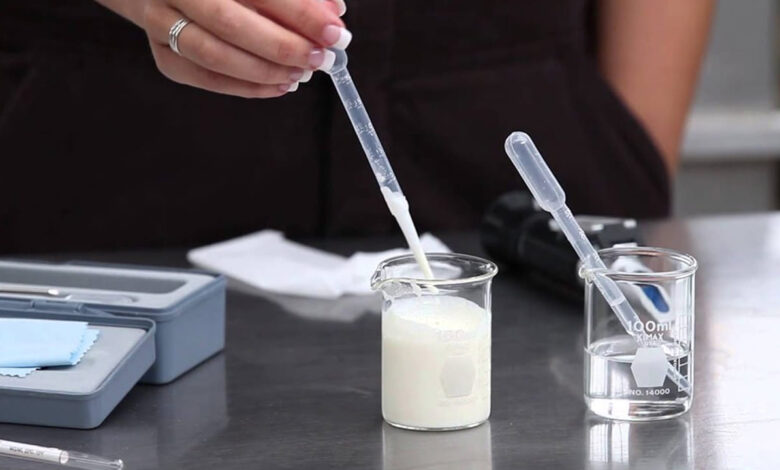
Milk is a daily essential in most households, used in tea, coffee, sweets and children’s meals. However, rising concerns about milk adulteration have left many families worried about what they are actually consuming. Health experts say that being aware of simple home based checks can help consumers identify possible impurities before the milk reaches the dining table.
One of the most common forms of adulteration is dilution with water. A quick way to check this at home is by placing a drop of milk on a slightly tilted smooth surface. Pure milk flows slowly downward, leaving behind a visible white trail. If the drop moves down quickly without leaving much of a mark, it may indicate that water has been mixed into it.
Another concern is the addition of starch or flour to thicken diluted milk. This can be tested by adding one or two drops of iodine solution to a small quantity of milk. If the milk turns bluish, it suggests the presence of starch. If there is no color change and the milk retains its natural shade, it is less likely to be adulterated in this way.
Some reports have highlighted the alarming use of detergent, soap or synthetic substances to mimic froth and thickness. When such milk is boiled, it may develop a yellowish tint instead of maintaining its normal creamy color. Pure milk does not change color significantly upon boiling.


There are also instances where certain powders are added to alter consistency. A simple method involves mixing a small amount of salt into about five milliliters of milk. If the mixture develops a bluish tone, it could signal contamination with artificial thickening agents.
While these tests are not laboratory certified methods, they offer basic awareness and an added layer of precaution for households. In recent years, growing demand and supply pressures have increased the risk of food adulteration, making consumer vigilance more important than ever.
Experts advise that if milk appears suspicious in smell, texture or taste, it should not be consumed. Persistent health complaints after consuming dairy products should be discussed with a medical professional.
In an age where food safety is a growing concern, taking a few extra minutes to check milk quality at home can go a long way in safeguarding the health of children and adults alike.