

Simple Kitchen Hacks to Keep Fenugreek Leaves Fresh for Months
Fenugreek leaves packed with nutrients can be stored fresh for days or preserved for months using simple home methods, helping households reduce waste and enjoy healthy meals year round
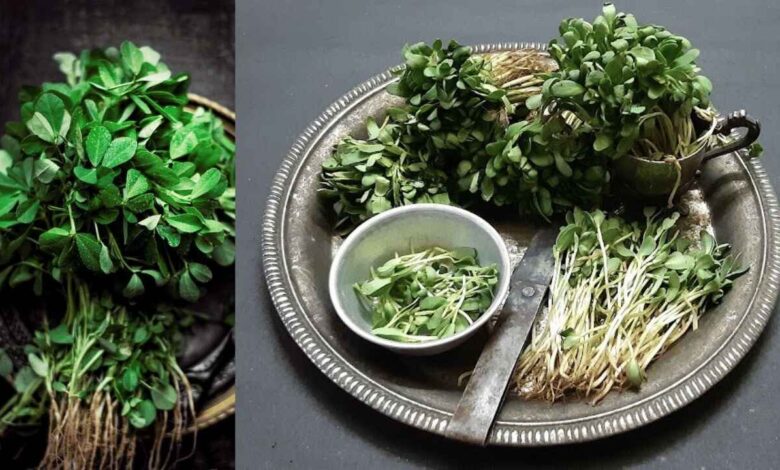
Fresh leafy vegetables are a staple in many kitchens, but keeping them from spoiling quickly remains a common challenge. Among these greens, Fenugreek leaves stand out for their rich nutritional value and distinctive taste, yet they are also known to wilt and spoil faster than most.
Health experts recommend including leafy greens in meals several times a week, and fenugreek is often part of that list due to its high iron and fiber content. It is widely used in dishes like parathas and curries, adding both flavor and health benefits. However, improper storage often leads to unnecessary waste.
One of the easiest ways to extend the freshness of fenugreek leaves is by using refrigeration correctly. Instead of washing them immediately, the leaves should be wrapped in a dry cloth or tissue and placed inside an airtight bag. This helps prevent moisture buildup, which is a major cause of spoilage. Stored this way, the leaves can remain usable for several days.
For those looking at long term storage, drying the leaves offers a practical solution. After thoroughly washing, the leaves should be spread out on a clean cloth and left to dry completely under sunlight. Once all moisture is gone, they can be crushed into a coarse powder and stored in an airtight container.


This dried form of fenugreek can last for months, even up to a year, without losing its flavor entirely. It can be conveniently used in dals, chutneys and other recipes, making it a handy ingredient to keep in the kitchen.
The growing focus on reducing food waste has made such traditional storage techniques relevant again. By adopting simple practices, households can not only preserve nutrients but also ensure that ingredients like fenugreek leaves are available whenever needed.
As more people return to home cooking and mindful consumption, these small but effective kitchen habits are proving to be both economical and practical.