Simple Kitchen Tips to Keep Curd Fresh and Mild Even During Peak Summer Heat
Rising temperatures speed up curd fermentation causing sour taste but simple home practices like controlling starter quantity storage and temperature can help maintain fresh mild curd daily in summer
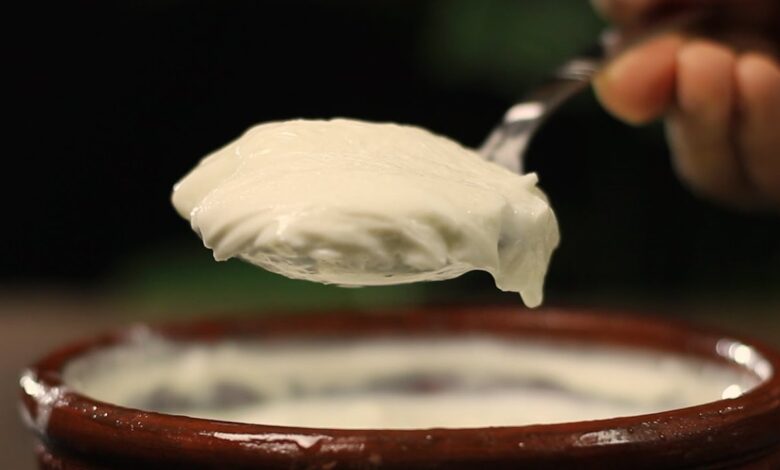
As temperatures rise, many households face a common kitchen challenge keeping curd fresh without it turning overly sour. In Indian homes, where curd is a daily staple, especially during hot months, maintaining its taste and texture becomes essential for both comfort and nutrition.
The rapid fermentation process during summer is the main reason behind the problem. Compared to cooler months, when milk takes several hours to set into curd, heat accelerates bacterial activity, causing curd to form within just a few hours. While this may seem convenient, it often results in a sharp sour taste by morning if not managed properly.
One of the simplest ways to control this is by adjusting the amount of starter culture. Many people tend to use the same quantity throughout the year, but in summer, a smaller amount works better. For instance, using just half a teaspoon of starter for half a liter of milk can slow down excessive fermentation and help maintain a mild flavor.
Storage also plays a crucial role. Once the curd begins to set and reaches a firm consistency, it should not be left outside at room temperature for long. Refrigeration at the right time helps slow down bacterial growth, preventing the curd from becoming too sour. Even after setting, leaving it in a warm environment can continue the fermentation process.


The location where curd is prepared matters as well. Placing the container near heat sources like a stove or in direct sunlight can speed up souring. Instead, keeping it in a cooler corner of the kitchen or a shaded area helps maintain balance. Some households also prefer using insulated containers to regulate temperature more effectively.
Another traditional yet effective method is choosing the right utensil. Earthen pots are often preferred over steel containers because they naturally absorb excess moisture and help keep the curd cool. This not only improves texture but also enhances taste, keeping it fresh for a longer time.
Hygiene is equally important. Always use a clean and dry spoon while handling curd, and ensure the container is properly covered after use. Repeated exposure to air and moisture can affect its quality and speed up spoilage.
With a few mindful adjustments in preparation and storage, it is possible to enjoy fresh, mildly flavored curd even during intense summer days. These small but practical changes can make a noticeable difference in everyday meals, ensuring both taste and freshness are preserved.