

Simple Market Tips to Identify a Sweet and Ripe Papaya Before Buying
Choosing the right papaya can be tricky at markets. Experts suggest checking color, smell, weight and texture to easily identify a naturally sweet and perfectly ripe fruit.
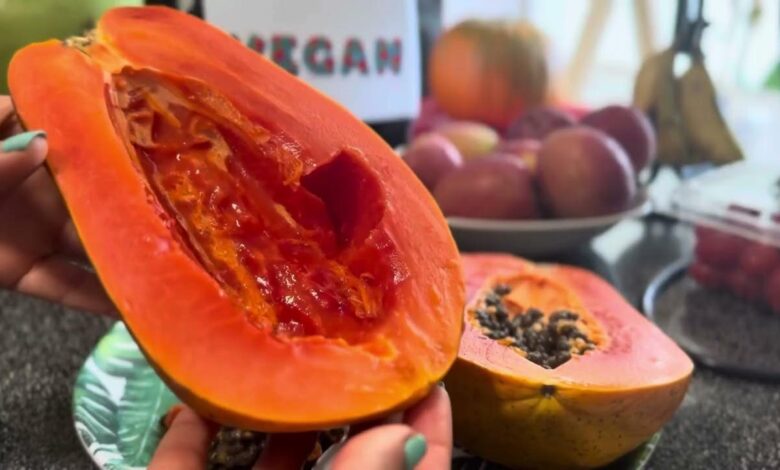
Papaya is widely known as a nutritious fruit that supports digestion and overall health. Rich in fiber and essential nutrients, it is often included in daily diets by people looking to maintain a balanced lifestyle. However, many buyers face one common problem when purchasing papaya from the market finding out later that the fruit is not sweet enough.
The experience of cutting open a papaya only to discover that it tastes bland can be disappointing. While the fruit is beneficial for the body, its taste matters just as much. Fortunately, there are a few simple ways to identify whether a papaya is ripe and naturally sweet even before slicing it open.
One of the first things buyers should observe is the color of the fruit. A papaya that has turned yellow or slightly orange usually indicates that it has ripened properly. Fruits that remain fully green are typically unripe and may not have developed their natural sweetness yet. A balanced yellow shade across the skin is often a sign that the fruit is ready to eat.
Another detail that can help is the presence of yellow streaks or patches on the outer skin. These marks often suggest that the fruit has begun ripening naturally on the tree rather than after being harvested. Papayas that ripen on the plant tend to develop better flavor and sweetness compared to those that ripen later during storage or transport.


The texture of the fruit can also reveal its condition. When selecting a papaya, gently press the surface with your fingers. If the fruit feels slightly soft but not mushy, it is usually ripe and ready to eat. A papaya that feels very hard may still be raw, while one that feels overly soft could be overripe or starting to spoil inside.
Smell is another useful indicator that many buyers overlook. A ripe papaya usually gives off a mild and pleasant sweet aroma. If the fruit has a strong or unpleasant smell, it may have ripened too much and could already be losing its quality. A subtle fragrance is often a better sign of good flavor.
Weight can also provide clues about the fruit’s freshness. Even if a papaya appears small, it should feel relatively heavy when lifted. A heavier fruit typically means it contains more juice and has developed properly. Lightweight fruits sometimes indicate dryness or poor ripening.
Nutrition experts say papaya can be a healthy addition to everyday meals. The fruit supports digestion, provides dietary fiber and is often associated with improving skin health. Regular consumption may help maintain gut health and contribute to overall wellness.
By paying attention to small details such as color, aroma, texture and weight, buyers can greatly increase their chances of choosing a sweet and delicious papaya. These simple checks can make shopping easier and ensure that the fruit you bring home is both tasty and nutritious.