

Summer Heat Rash in Children Causes Symptoms and Simple Ways to Protect Sensitive Skin
Doctors warn that rising summer temperatures can trigger painful heat rashes in children. Simple habits like loose clothing hydration and proper hygiene can help prevent itching irritation and skin discomfort.
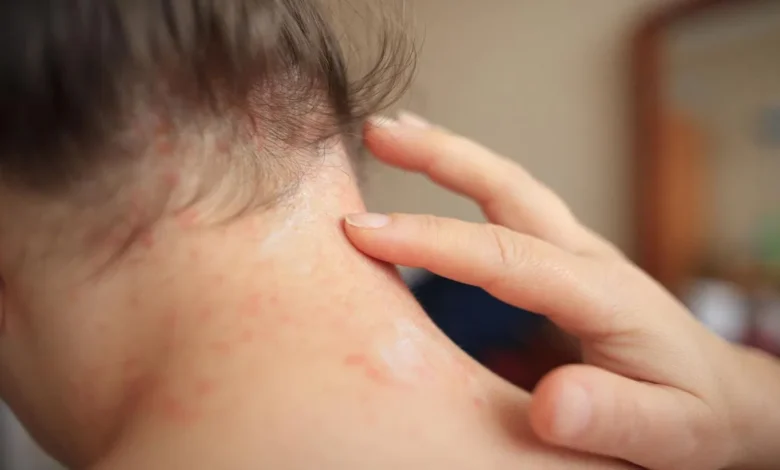
As summer temperatures continue to rise, many families begin to notice a common seasonal skin problem, especially among children. Small red bumps appearing on the neck, back or underarms often signal the arrival of heat rash, a condition caused by blocked sweat glands during hot and humid weather.
Heat rash develops when the body attempts to cool itself through sweating but the sweat becomes trapped beneath the skin. When sweat glands become blocked because of excessive heat or humidity, tiny red rashes appear on the surface of the skin. These bumps may look small, but the itching and burning sensation they cause can be extremely uncomfortable.
Children are more vulnerable to this condition compared with adults because their skin is much more delicate and sensitive. In many cases, the irritation can be strong enough to disturb sleep or cause constant discomfort. Areas such as the back of the knees, inside the elbows, neck and underarms are particularly prone to these rashes because sweat tends to accumulate there.
The hot and humid conditions of summer often worsen the problem. As temperatures climb and sweating increases, the chances of blocked sweat glands also rise. While heat rash is usually harmless and temporary, ignoring it can sometimes lead to skin infections if scratching damages the skin.


Health experts say that simple daily habits can help reduce the risk. One of the most important precautions is choosing the right clothing. During summer, tight synthetic clothes should be avoided. Loose cotton garments are considered the best option because they absorb sweat and allow air to circulate around the skin.
Maintaining proper hygiene also plays a major role in preventing skin irritation. Bathing twice a day with cool water can help keep the skin clean and reduce the buildup of sweat. After returning home from outdoors, it is helpful to gently wash areas where sweat accumulates the most. Instead of rubbing the skin dry, it is better to pat it softly with a towel.
Staying hydrated is equally important. Drinking plenty of water helps regulate body temperature from within. Experts often recommend drinking three to four liters of water a day during hot weather, depending on age and activity levels. Proper hydration supports healthy skin and helps the body manage heat more effectively.
Another simple step is minimizing exposure to direct sunlight whenever possible. Spending time in cool indoor spaces with fans or air conditioning can reduce excessive sweating and help prevent rashes. Keeping the skin dry is also essential for comfort.
Several home remedies may provide relief if heat rash appears. Calamine lotion is widely used to reduce itching and soothe irritated skin. Applying aloe vera gel can provide a cooling sensation and help calm inflammation.
Some people also find relief by gently applying ice packs to the affected area. The cool temperature helps reduce burning and irritation. Sandalwood paste is another traditional remedy believed to soothe the skin and reduce itching.
Natural remedies such as placing slices of cucumber on the irritated area may also offer a refreshing cooling effect. These simple methods can help ease discomfort until the rash begins to heal.
In most cases, heat rash disappears within two or three days if the skin is kept cool and dry. However, if the rash starts producing pus, is accompanied by fever or does not improve after several days, medical attention may be necessary.
Although heat rash is usually considered a minor summer problem, proper care and early precautions can prevent it from becoming more serious. With a few simple lifestyle changes, families can protect children from unnecessary discomfort during the hottest months of the year.