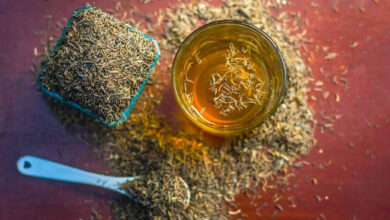

Traditional Herb Kuppinta Leaf May Help Relieve Constipation and Other Health Problems
Ayurvedic practitioners highlight the medicinal benefits of Kuppinta leaves which may support digestion ease constipation reduce inflammation and help manage respiratory and skin related health issues naturally.
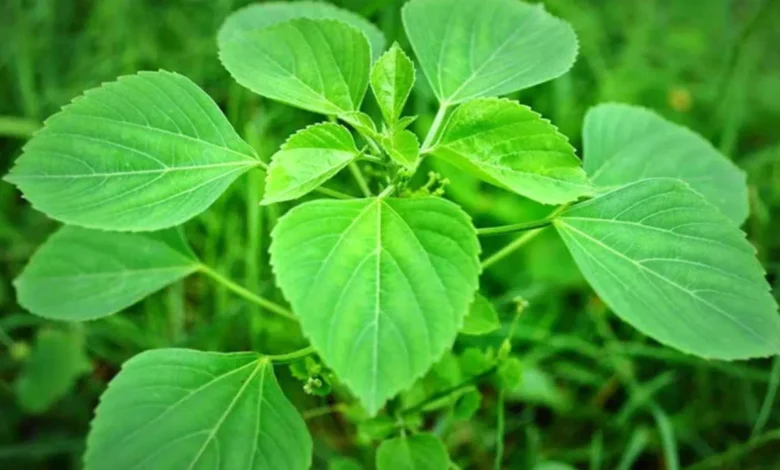
Many people struggle with constipation and digestive discomfort, often turning to medications for quick relief. However, traditional healing systems have long relied on natural remedies to support the body. One such plant that has been widely mentioned in traditional practices is the Kuppinta leaf, believed to offer several health benefits.
According to practitioners of natural and Ayurvedic medicine, this herb has been used for generations to address a variety of common health concerns. From easing muscle pain to supporting respiratory health, the leaf is considered a multipurpose natural remedy in traditional healing methods.
One of the lesser known uses of the plant is its role in relieving constipation. Some individuals experience difficulty passing stool because the sphincter muscles around the rectum remain too tight. Traditional practitioners suggest preparing a soft paste from the leaves and applying it carefully in the affected area. This method is believed to help relax the muscles, allowing smoother bowel movement.
Beyond digestive support, the leaf has also been used to help reduce muscle pain and fatigue. A simple herbal decoction prepared by boiling several leaves in water is traditionally consumed to ease discomfort in sore muscles. Experts say the plant contains compounds such as polyphenols that may help reduce inflammation and relax muscle tissues.


The herb is also believed to assist with wound healing, particularly in people living with diabetes. Minor injuries in diabetic individuals can sometimes take longer to heal. Applying the fresh juice of the leaves on wounds is said to help prevent infections. Natural compounds present in the leaf, including gallic acid and ellagic acid, are thought to possess antibacterial and antifungal properties that may support the healing process.
Respiratory conditions are another area where this plant has been traditionally used. People suffering from cough, excess mucus or breathing discomfort may benefit from a decoction made from boiled leaves mixed with honey. The natural compounds present in the plant are believed to help calm inflammation in the lungs and reduce mucus production.
Traditional healers also claim that the leaf may provide relief from ear related infections. Extracting the juice and placing a few drops in the ear has been suggested as a natural way to manage swelling and discharge caused by bacterial or fungal infections. Some research studies conducted in recent years have also explored the antimicrobial properties of the plant.
Supporters of natural medicine emphasize that many ancient remedies were discovered through observation and experience long before modern medical systems existed. Herbal knowledge was carefully passed down through generations, eventually becoming part of traditional healing systems such as Ayurveda.
While natural remedies may offer certain benefits, experts also advise people to use them carefully and consult healthcare professionals when dealing with persistent or serious health problems. The Kuppinta leaf remains an example of how traditional plant based treatments continue to be valued for their potential role in everyday health and wellness.