Tribal Herb Kondapindi Leaf Gains Attention for Kidney Stone Relief and Natural Strength
Traditionally used by tribal communities, Kondapindi leaf is believed to help dissolve kidney stones and support women’s health, with experts highlighting its preparation method and potential wellness benefits.
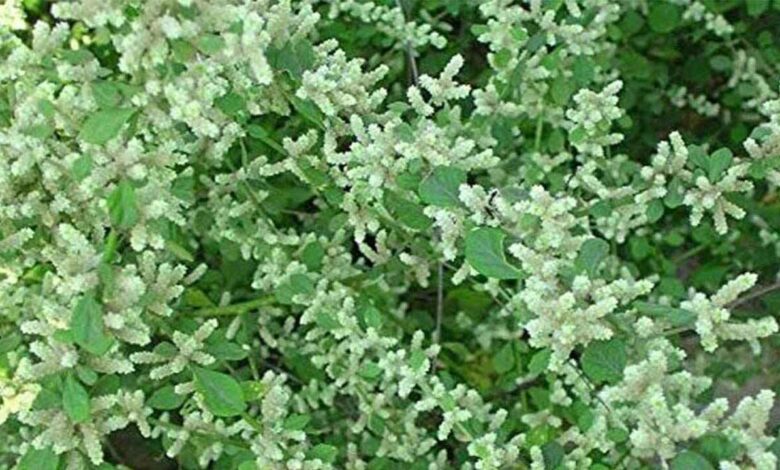
In several tribal belts across India, age old herbal knowledge continues to shape daily life. One such lesser known plant now drawing attention is the Kondapindi leaf, a wild herb long valued in traditional remedies. Local communities believe this leaf holds the power to break down kidney stones and improve overall strength.
Ayurvedic practitioners say kidney stones have become increasingly common, especially among people above 30, largely due to modern lifestyle habits and poor hydration. In this context, interest in plant based remedies has grown. Kondapindi leaf, widely found in forested and agency areas, is considered by tribal healers as a natural solution for urinary and kidney related concerns.
The plant is easy to identify, according to locals. Its leaves appear slightly grey in tone and sometimes resemble small clustered blooms from a distance. Once collected, only the tender leaves and fresh shoots are selected for cooking. Proper cleaning is considered essential to remove dirt and impurities before use.
Beyond kidney support, traditional healers also claim the herb may benefit women experiencing certain uterine health issues. Though modern clinical studies remain limited, the leaf continues to be used in rural households as part of regular meals, rather than as a separate medicine.


The most common way to consume Kondapindi leaf is by preparing it as a curry. After washing thoroughly, the leaves are chopped into small pieces. In a clay pot placed over heat, oil is added, followed by cumin seeds and soaked green gram dal. Garlic, green chilies and chopped onions are sautéed until golden. The chopped leaves are then mixed in and cooked with salt. A small amount of water may be added to soften the texture and allow the leaves to cook evenly. Once tender, the curry is ready to be served with rice or millet based dishes.
Supporters of this traditional recipe say regular consumption may help gradually reduce kidney stone formation and improve urinary function. Some even refer to it as a leaf strong enough to crush stones, highlighting its perceived potency.
Health experts, however, advise caution. While traditional knowledge offers valuable insights, individuals with serious kidney conditions should consult qualified medical professionals before relying solely on herbal remedies. Combining medical guidance with balanced nutrition is considered the safest approach.
Still, the continued use of Kondapindi leaf reflects the deep connection between tribal communities and nature. In a time when many are rediscovering local foods and forgotten greens, this humble forest herb is emerging as a symbol of traditional wisdom and natural strength.