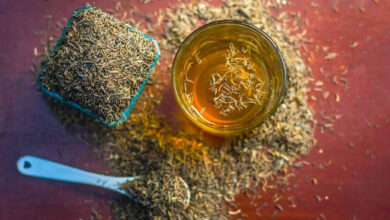

Tulsi Leaves on an Empty Stomach Could Offer Surprising Health Benefits
Rich in antioxidants and natural compounds, tulsi leaves may support immunity, digestion, heart health and stress management, making them a popular choice in traditional wellness practices.

For generations, tulsi has held a special place in Indian households. Revered not only for its spiritual significance, the humble herb has also earned recognition in traditional wellness practices for its wide range of potential health benefits. Often called the Queen of Herbs, tulsi continues to be a trusted natural remedy used by many families as part of their daily routine.
Health experts and traditional medicine practitioners highlight that tulsi leaves contain valuable nutrients, including vitamin C, iron, zinc and chlorophyll. In addition, the herb is known for its antibacterial and antiviral properties, which may help the body defend itself against common infections. Many people choose to consume a few tulsi leaves in the morning as part of a natural wellness regimen.
One of the most talked about benefits of tulsi is its ability to support the immune system. The antioxidants present in the leaves help the body combat oxidative stress and may strengthen natural defense mechanisms. During seasonal changes, when coughs, colds and throat discomfort become more common, tulsi tea or tulsi infused water is often used as a soothing home remedy.
Modern lifestyles have brought increasing levels of stress and anxiety, making mental wellness a growing concern. Tulsi contains compounds that are believed to act as adaptogens, helping the body respond more effectively to stress. Regular consumption of tulsi may contribute to a sense of calm and support emotional balance, making it a popular choice among those looking for natural stress management options.


The herb is also widely appreciated for its positive impact on digestion. Tulsi may help ease common digestive complaints such as bloating, acidity and stomach discomfort. Traditional wellness systems suggest that it supports healthy digestive function and assists the body in removing unwanted toxins, contributing to overall well being.
Oral health is another area where tulsi is often valued. Its natural antimicrobial properties may help reduce harmful bacteria in the mouth. People dealing with bad breath, gum discomfort or minor dental concerns often use tulsi as a natural way to promote better oral hygiene. Many consider it a simple and refreshing alternative to conventional mouth fresheners.
Heart health is increasingly becoming a priority for people of all age groups. Tulsi contains antioxidants that may support healthy blood circulation and help maintain balanced cholesterol levels. Some experts believe that incorporating tulsi into a healthy lifestyle may contribute to better cardiovascular health over time.
While tulsi offers several potential health advantages, moderation remains important. Experts advise consuming the leaves responsibly and avoiding excessive chewing. Some traditional recommendations suggest swallowing the leaves whole or preparing them as a herbal infusion instead of chewing them extensively. This approach is believed to be gentler on dental enamel while still allowing the body to benefit from the herb’s natural properties.
As interest in natural wellness continues to grow, tulsi remains one of the most widely respected herbs in traditional health practices. Whether consumed as leaves, tea or a herbal drink, it continues to be a simple addition to daily routines for those seeking a natural boost to overall well being.