When Beetroot Juice Turns Risky for Some People
Though packed with nutrients beetroot juice may not suit everyone as experts warn certain health conditions like kidney stones low blood pressure and allergies could worsen with regular consumption
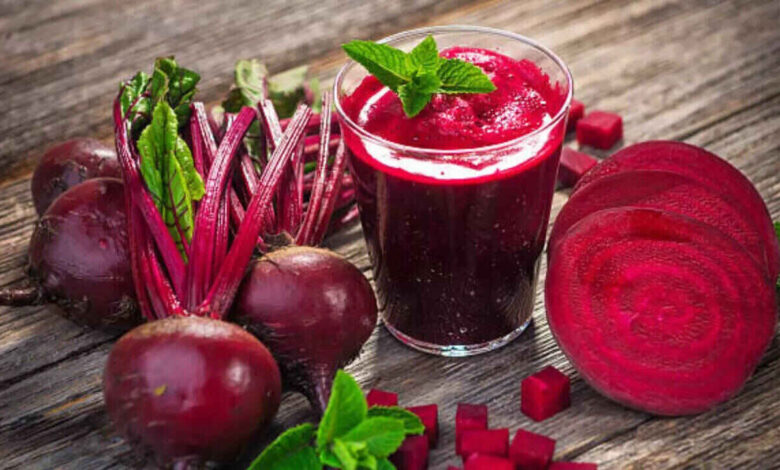
Beetroot has long been praised as a powerful natural food loaded with essential nutrients. Rich in folate potassium and vitamin C it is often consumed as juice to improve blood health and enhance skin glow. However, health experts are now cautioning that this popular drink may not be suitable for everyone.
While many people include beetroot juice in their daily routine for its benefits, doctors say certain individuals should be careful before making it a habit. In some cases, instead of helping the body, it may lead to complications or worsen existing health conditions.
One of the major concerns is linked to kidney health. People who have a history of kidney stones are advised to avoid beetroot juice. This is because beetroot contains high levels of oxalates, compounds that can contribute to the formation of stones or make the condition more severe.
Another group that needs to be cautious includes those dealing with low blood pressure. Beetroot is known for its ability to naturally lower blood pressure levels. While this can be beneficial for individuals with hypertension, it may pose a risk for those already experiencing low blood pressure, potentially leading to dizziness or weakness.

Digestive sensitivity is also an important factor. Individuals who frequently experience stomach discomfort, bloating, or gas may find that beetroot juice aggravates these issues. In some cases, it can slow digestion and cause uneasiness in the gut.
Allergic reactions, although less common, have also been reported. Some people may experience itching, skin rashes, or irritation after consuming beetroot juice. In rare situations, symptoms such as nausea or vomiting may occur, indicating intolerance.
Experts emphasize that even healthy foods can have side effects when consumed without understanding individual health conditions. Moderation remains key. It is advisable to start with small quantities and observe how the body responds. Consulting a healthcare professional before adding beetroot juice regularly to the diet can help prevent unwanted health risks.
Beetroot continues to be a nutritious choice for many, but as with any food, knowing when it suits your body and when it does not is essential for maintaining overall health.