
WHO Raises Concern Over Hearing Loss in Children Says Majority of Cases Can Be Prevented
World Health Organization warns hearing loss among children is rising globally but nearly sixty percent of cases can be prevented through early care awareness vaccination and reduced exposure to loud sounds.
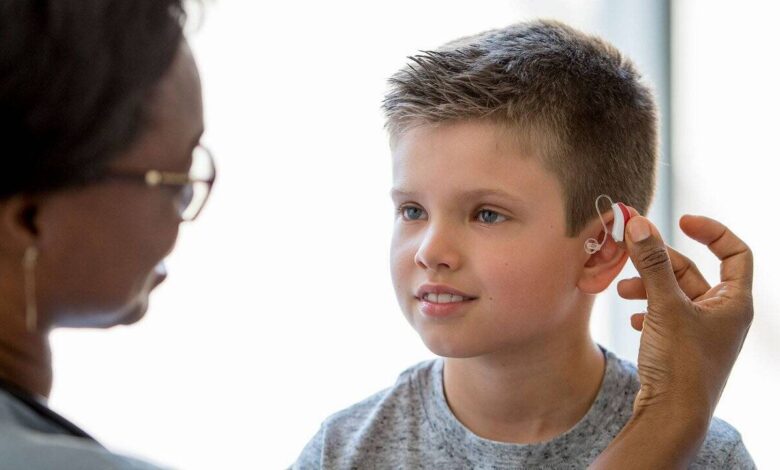
Hearing loss among children has emerged as a growing global health concern, according to a recent report by the World Health Organization. The agency revealed that around 430 million people worldwide are currently living with hearing impairment, and a significant number of them are children. However, health experts say that many of these cases could be prevented with timely care and awareness.
The organization has highlighted that nearly sixty percent of hearing problems in children can be avoided if parents and caregivers take early preventive measures. The warning was shared as part of the awareness campaign surrounding World Hearing Day, which aims to educate communities about protecting hearing health from an early age.
Experts explain that hearing loss in childhood is not limited to ear related difficulties alone. It can influence several aspects of a child’s development. When hearing problems are not detected early, children may struggle with speech development and language learning. This can affect their ability to communicate clearly and interact confidently with others.
In classrooms, the impact can be even more serious. Children with untreated hearing issues may find it difficult to understand lessons or follow instructions. Over time, this can lead to poor academic performance and cause them to fall behind their peers. Social interaction can also become challenging, sometimes making children feel isolated or less confident while engaging with friends.
Health professionals advise parents to pay close attention to early warning signs. Children who frequently ask others to repeat what they said, fail to respond when called, or appear unusually distracted may be experiencing hearing difficulties. Other signs include regular ear pain, fluid discharge from the ear, or delayed speech development compared with children of the same age.
Some behavioral patterns can also indicate a possible hearing issue. For instance, if a child tends to increase the volume of the television or mobile device excessively, it may suggest that they are struggling to hear clearly. Recognizing these signs early and seeking medical advice can help prevent long term complications.
The World Health Organization recommends several preventive steps to protect children’s hearing health. Reducing exposure to loud noises is one of the most important measures. Excessive use of headphones or prolonged exposure to loudspeakers can damage sensitive hearing structures, especially in young children.
Vaccination also plays an important role. Many infections that occur during childhood can lead to hearing problems if not treated properly. Ensuring that children receive timely immunizations can reduce the risk of such complications.
Care during pregnancy is another important factor. Doctors advise expectant mothers to maintain proper health and follow medical guidance during pregnancy, as certain infections or complications can affect the hearing ability of the unborn child.
If a child develops an ear infection after birth, experts stress the importance of immediate medical attention. Ignoring symptoms or delaying treatment can increase the risk of permanent damage. Early diagnosis and treatment can make a major difference in preserving a child’s hearing.
Health specialists emphasize that protecting hearing health requires awareness from families, schools and communities. With small but consistent precautions, many children can avoid hearing related difficulties and grow up with better communication skills and learning opportunities.
The World Health Organization continues to encourage parents and caregivers to prioritize hearing care. Early action, regular medical checkups and responsible use of audio devices can help ensure that children grow up in a healthier and more inclusive environment.