

Why Dark Spots Appear on the Skin and Face as Experts Explain Causes and Simple Care Tips
Dermatology experts say dark spots on the face often result from sun exposure hormonal changes and poor skin care habits and can be managed with proper protection healthy lifestyle and timely treatment.
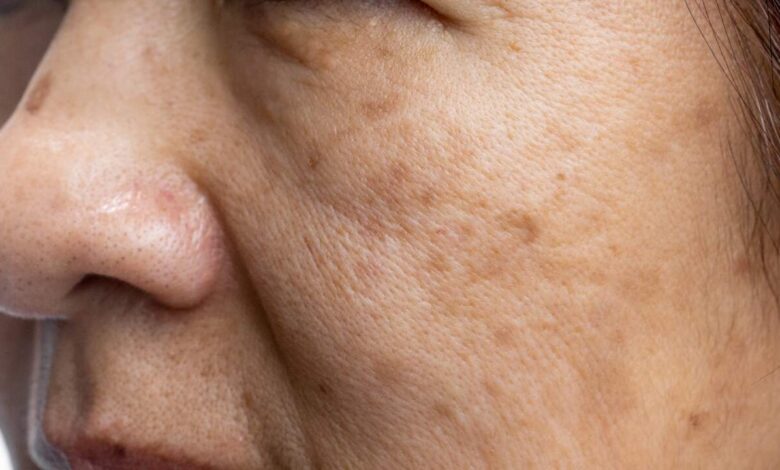
Small brown or dark patches appearing on the face are a common skin concern that many people experience. These spots usually show up around the cheeks, nose, forehead and chin, gradually becoming more visible over time. In the beginning they may appear as light marks, but without proper care they can slowly darken and spread.
Doctors say many people tend to ignore these early signs, assuming they are harmless. However, such pigmentation changes can sometimes signal sensitivity in the skin or imbalances within the body. Paying attention to these changes early can help prevent the spots from becoming more prominent.
One of the biggest triggers behind facial pigmentation is prolonged exposure to sunlight. Strong sunlight stimulates the production of melanin, the natural pigment responsible for skin color. When melanin production increases unevenly, it can lead to dark patches or discoloration on the skin.
Hormonal changes are another major factor. Women may notice pigmentation during pregnancy or at different stages of hormonal fluctuation. Age related changes in the body can also affect the skin and lead to the appearance of dark spots.


Environmental factors can worsen the situation as well. Pollution, dust and continuous exposure to harsh conditions can damage the skin barrier. Over time this weakens the natural balance of the skin and increases the chances of pigmentation.
Skin care habits also play a crucial role. Using unsuitable cosmetic products or failing to maintain proper hygiene can irritate the skin. Experts say sensitive skin types are especially prone to developing pigmentation when exposed to harsh chemicals or improper care routines.
Lifestyle factors are equally important. Stress, lack of sleep and poor nutrition may reduce the skin’s natural glow and make discoloration more noticeable. When the body lacks essential nutrients, the skin often reflects these internal imbalances.
Dermatologists say treatment for dark spots usually begins with proper skin care practices. Doctors may recommend specific creams or topical treatments that help lighten pigmentation and restore an even skin tone.
Protecting the skin from sunlight remains one of the most effective preventive measures. Applying sunscreen regularly before stepping outdoors helps shield the skin from harmful ultraviolet rays that trigger excess melanin production.
In certain cases, medical treatments such as chemical peels or other dermatological procedures may be suggested to reduce stubborn pigmentation. However, specialists advise that such treatments should only be undertaken after consulting a qualified skin expert.
Maintaining healthy daily habits also contributes significantly to better skin health. Regular cleansing of the face, avoiding long exposure to intense sunlight and following a consistent skin care routine can help prevent pigmentation from worsening.
A balanced diet rich in fruits and vegetables supports skin health from within. Drinking enough water helps maintain hydration, while proper sleep and stress management allow the skin to repair itself naturally.
Experts emphasize that clear and healthy skin is rarely the result of a single treatment. Instead it comes from a combination of good nutrition, careful skin protection and consistent self care. When these habits are followed regularly, the skin is more likely to stay bright, healthy and free from persistent dark spots.