
Why More Women Are Being Diagnosed With Iron Deficiency
Iron deficiency affects millions of women worldwide with doctors pointing to lifestyle diet and biological factors while stressing early awareness nutrition and regular screening to prevent long term health complications
Iron deficiency has quietly emerged as one of the most common health challenges affecting women today. Doctors note that women make up a large share of anemia cases globally, with teenage girls, pregnant women and breastfeeding mothers facing the highest risk. What often begins as mild tiredness can gradually turn into a serious condition if ignored.
Health professionals explain that iron plays a central role in producing hemoglobin, the component of blood responsible for carrying oxygen throughout the body. When iron levels drop, oxygen supply to tissues reduces, leading to constant fatigue, weakness and reduced concentration. Many women dismiss these signs as routine stress, allowing the deficiency to worsen.
One major reason iron deficiency is more common in women is monthly blood loss during menstruation. Women who experience heavy or prolonged periods lose more iron than the body can easily replace. Over time, this natural loss can lead to depleted iron stores, especially if diet does not compensate.
Modern lifestyles have also added to the problem. With busy schedules, many women skip meals, eat irregularly or rely heavily on fast food. Diets low in green leafy vegetables, pulses and iron rich foods contribute significantly to nutritional deficiencies. Experts say this pattern is increasingly seen among young working women and adolescents.

Pregnancy and breastfeeding place additional demands on the body. During pregnancy, iron requirements increase to support the growing baby and increased blood volume. Without adequate nutrition, the mother’s iron reserves fall quickly. The same risk continues during breastfeeding if iron intake remains insufficient.
Digestive health also plays a role. Conditions such as poor digestion, gastric issues or intestinal disorders can interfere with iron absorption even when the diet appears adequate. In some regions, parasitic infections that feed on blood further worsen iron loss, particularly among women in vulnerable communities.
The symptoms of iron deficiency can be wide ranging. Persistent tiredness, pale skin, frequent headaches, dizziness, shortness of breath, hair fall and rapid heartbeat are common warning signs. Difficulty focusing and feeling unusually weak during daily tasks are also frequently reported. Doctors advise seeking medical attention if these symptoms persist.
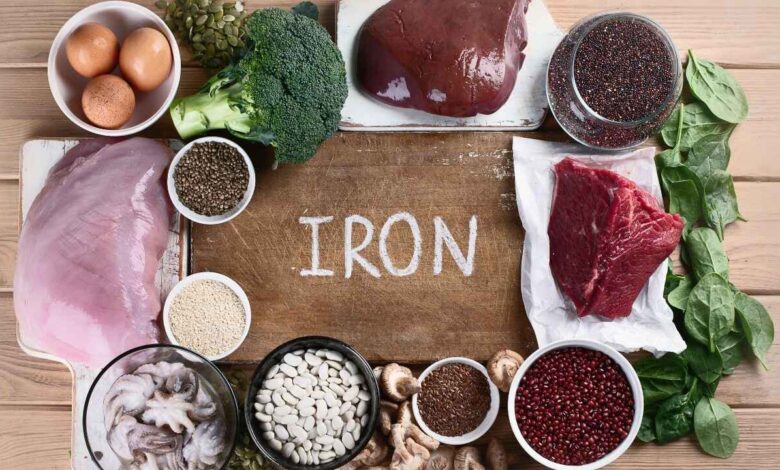
Addressing iron deficiency begins with dietary changes. Plant based sources such as spinach, fenugreek, lentils, chickpeas, jaggery, dates, raisins and sesame seeds are recommended for vegetarians. Non vegetarians can include eggs, fish, red meat and liver to improve iron intake.
Vitamin C is essential for better iron absorption. Nutritionists suggest pairing iron rich meals with foods like lemon, oranges, tomatoes or gooseberries. At the same time, limiting tea and coffee immediately after meals is advised, as they can reduce iron absorption if consumed too soon.
In cases of severe deficiency, doctors may prescribe iron supplements. Medical supervision is important, as self medication can cause side effects or mask underlying conditions. Regular blood tests help track iron levels and ensure timely intervention.
Health experts emphasize that iron deficiency should never be taken lightly. Early awareness, balanced nutrition and routine screening are especially important for adolescent girls, expectant mothers and women with heavy menstrual cycles. Addressing the issue early can prevent long term health complications and improve overall quality of life.