Why the First and Last Slices of Bread Look Different in a Packet Explained Simply
The slightly darker and firmer end slices of bread are not waste but a natural result of baking that actually helps protect freshness and keeps the inner slices soft for longer use.
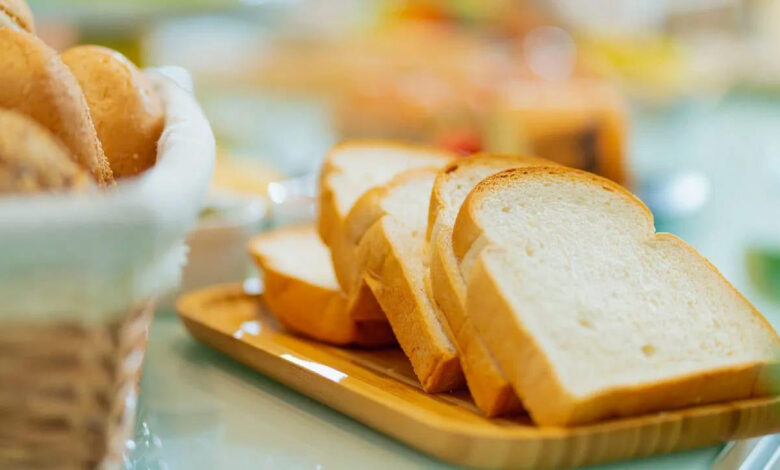
Most people do not think much while eating everyday food items like bread, but small details often hide interesting science behind them. One such common observation is the difference in texture and appearance between the first and last slices in a bread packet. These slices often look darker, firmer and slightly uneven compared to the soft inner pieces, and many people simply avoid eating them.
Bread has become a regular part of breakfast in many households, used for sandwiches, toast, burgers and even quick snacks. While the focus is usually on taste and softness, very few people realize that the variation in slices is not a mistake but a natural outcome of the baking process itself.
During baking, the outer parts of the bread loaf are exposed directly to heat inside the oven. This exposure causes the edges and ends to cook faster than the center. As a result, these portions turn slightly darker in color and develop a firmer texture, while the middle remains soft and fluffy.
What may seem like imperfect slices actually serve an important purpose. The first and last slices act like a protective layer for the rest of the bread. They shield the inner slices from direct air exposure, helping to lock in moisture and maintain softness for a longer time.


These outer slices also prevent the inner bread from drying out quickly after the packet is opened. By reducing contact with air, they help preserve freshness and keep the texture intact. Without them, the remaining slices would become stale much faster.
Interestingly, food manufacturers do not remove these slices because they are functional, not defective. They play a silent but important role in maintaining the overall quality of the bread inside the packet.
So the next time you open a loaf and notice the slightly different first or last slice, it is worth remembering that it is not waste. Instead, it is a natural protective layer that helps keep your bread soft and fresh for longer.