

RBI Action Sparks Rupee Surge After Record Fall Against Dollar
The Indian rupee rebounds sharply after RBI intervention, rising from record lows amid global tensions, oil price surge, and reduced speculation, though uncertainty continues to pressure currency stability.
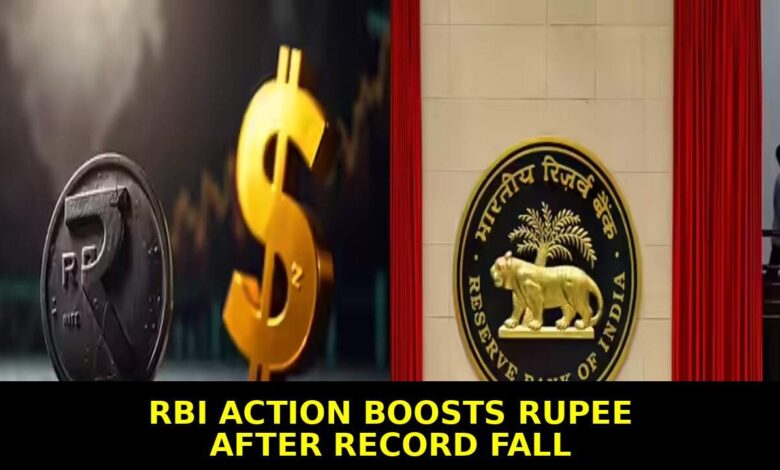
- RBI action boosts rupee against dollar after record low
- Rupee surge linked to RBI curbs on dollar speculation
- Global tensions and crude oil rise pressure rupee
After days of steady decline, the Indian rupee staged a strong comeback on March 30, delivering a surprising turnaround in the currency market. The sudden appreciation came soon after the Reserve Bank of India stepped in with decisive measures to control excessive speculation against the rupee.
The currency, which had recently fallen to an all time low of 94.85 against the US dollar, opened significantly stronger at 93.59. This marks a sharp gain of nearly 130 paise in a single trading session, reflecting the immediate impact of regulatory intervention.
To prevent further weakening of the rupee, the central bank introduced fresh restrictions on banks operating in the onshore market. Under the new guidelines, banks will be allowed to maintain open positions in the dollar only up to 100 million by the end of each trading day. These rules are set to take effect from April 10 and are aimed at reducing speculative activities that put pressure on the domestic currency.
As a result of these measures, banks are now compelled to offload excess dollar holdings into the market. This increases the availability of dollars, helping stabilize the rupee and curb sharp fluctuations. Market participants believe this move played a key role in the sudden recovery seen in Monday’s session.


However, the relief appears temporary as global uncertainties continue to weigh heavily on the rupee. At the time of reporting, the currency was trading around 94.30 against the dollar, indicating renewed pressure despite the earlier surge.
One of the biggest concerns remains the sharp rise in crude oil prices. Ongoing geopolitical tensions in the Gulf region, particularly involving Iran, Israel, and the United States, have disrupted oil supply chains. Prices have surged from around 70 dollars per barrel before the conflict to nearly 115 dollars now.
Since India depends heavily on crude oil imports, the rising cost directly increases the demand for dollars. This, in turn, weakens the rupee as more dollars are required to meet import needs.
Additionally, declining foreign investment flows are adding to the pressure. In times of global uncertainty, investors tend to move their capital toward safer assets, pulling funds out of emerging markets like India. This capital outflow further contributes to the rupee’s depreciation.
Experts warn that unless global conditions stabilize and foreign investments return, the rupee may continue to face volatility. While the RBI intervention has provided short term relief, sustained stability will depend on multiple external and domestic factors.