
Why Drinking Tea Right After Meals Could Harm Your Health
Health experts warn that drinking tea immediately after meals can disrupt digestion reduce iron absorption and worsen acidity advising a short gap before tea to protect daily health habits practices
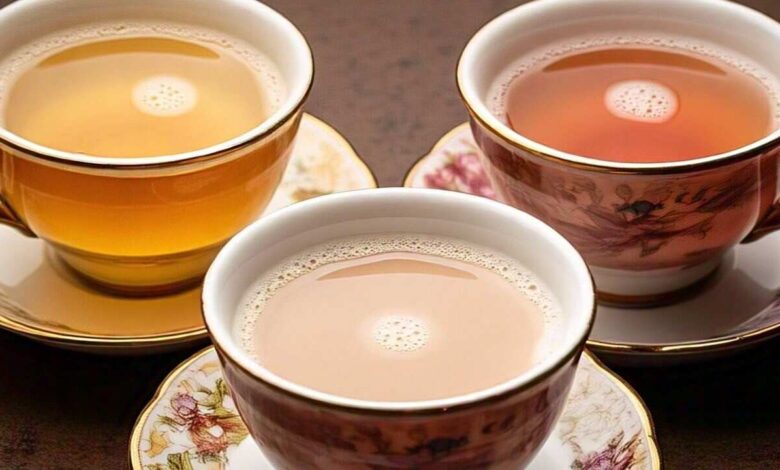
For many people tea is more than just a drink. It is a daily ritual that starts the morning and fills breaks through the day. From early hours to late evenings tea finds its way into everyday routines across households. However doctors and nutrition experts say timing matters more than most people realize.
According to health specialists drinking tea immediately after finishing a meal may quietly affect the body in several ways. While the habit feels harmless it can interfere with how nutrients are absorbed and how smoothly digestion works. Over time this can lead to frequent discomfort and low energy levels.
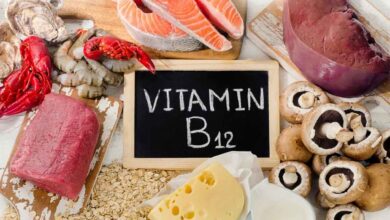
One major concern is reduced iron absorption. Tea contains compounds like tannins and polyphenols which can bind with iron in food. This is especially problematic after meals rich in plant based iron such as leafy vegetables lentils and pulses. Studies suggest that having tea right after eating can significantly cut iron absorption raising the risk of fatigue and anemia.
Digestive health is another area impacted by this habit. Tea consumed immediately after meals may slow down digestive enzymes that break food efficiently. This delay can trigger bloating heaviness gas and an overall uncomfortable feeling that affects daily productivity.


Experts also highlight acidity related issues. Caffeine and tannins present in regular tea can stimulate excess stomach acid. For people already prone to acid reflux or heartburn this can worsen symptoms and lead to recurring digestive complaints.
So when is the right time to drink tea after eating. Nutritionists recommend waiting at least thirty minutes after a meal. This gap allows the body to absorb essential nutrients properly and supports smoother digestion. Waiting up to an hour is considered even better for those with iron deficiency or acidity problems.
For tea lovers who prefer a warm drink sooner herbal teas can be a safer option. Varieties like ginger mint or chamomile are naturally caffeine free and gentler on digestion. Regular milk tea or strong black tea however is best enjoyed only after giving your body enough time post meal.
Tea remains a comforting and beneficial beverage when consumed wisely. Small changes in timing can help protect digestion improve nutrient absorption and keep common health issues at bay without giving up your favorite cup.