Supreme Court Questions WhatsApp Privacy Rules Over User Consent
The Supreme Court questions WhatsApp privacy policy data sharing consent and lack of user choice with a key ruling expected on February nine that could reshape rules for digital platforms
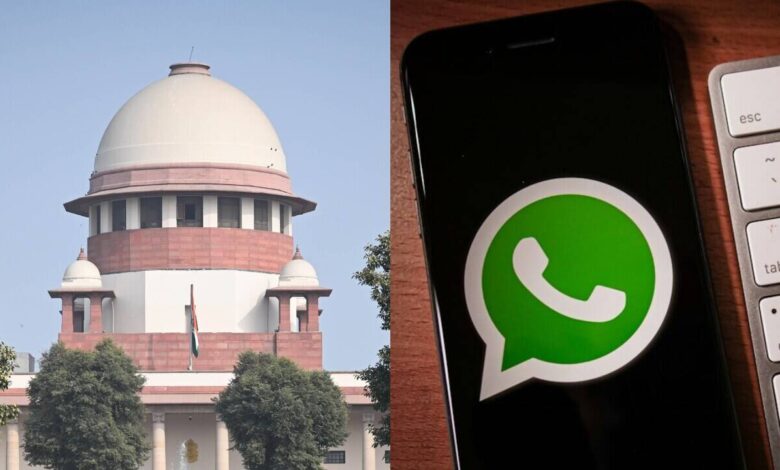
WhatsApp and its parent company Meta are once again under the scanner, this time from the country’s highest court. The Supreme Court has expressed serious concern over the messaging platform’s privacy policy, especially its take it or leave it approach that leaves users with little room to choose.
During the hearing, the court made it clear that consent cannot be treated as genuine if users are pushed into accepting terms without alternatives. Judges observed that forcing people to agree to a new privacy policy or quit the platform altogether raises important constitutional questions about fairness and individual rights.
One of the biggest concerns flagged by the court is data sharing. The bench questioned what kind of user data WhatsApp shares with other Meta companies and for what purpose. In today’s digital age, the court noted, privacy is no longer a luxury but a fundamental right that directly affects millions of citizens.
The judges also underlined how deeply WhatsApp is woven into everyday life. From personal communication to work coordination and even official use, the app has become almost unavoidable. In such a situation, telling users to simply stop using the service is not a realistic option, the court remarked.


Another key issue discussed was the absence of meaningful choice. The court stressed that informed and independent consent is essential. If users do not fully understand how their data will be used or shared, accepting a policy under pressure cannot be considered valid approval.
The matter is expected to reach a crucial stage on February nine, when the Supreme Court may deliver an important decision. Legal experts believe the ruling could go beyond WhatsApp and set new standards for how digital platforms in India design privacy policies.
If the court adopts a strict stance, WhatsApp may be asked to revise its policy, offer clear opt out options or limit data sharing practices. Such a decision could significantly change how tech companies handle user data and consent in the Indian market.