
How Skin Changes Can Signal Dangerous Cholesterol Levels
Skin changes can quietly signal rising cholesterol levels and unhealthy weight gain prompting doctors to warn that early symptoms on the body should never be ignored for timely medical attention
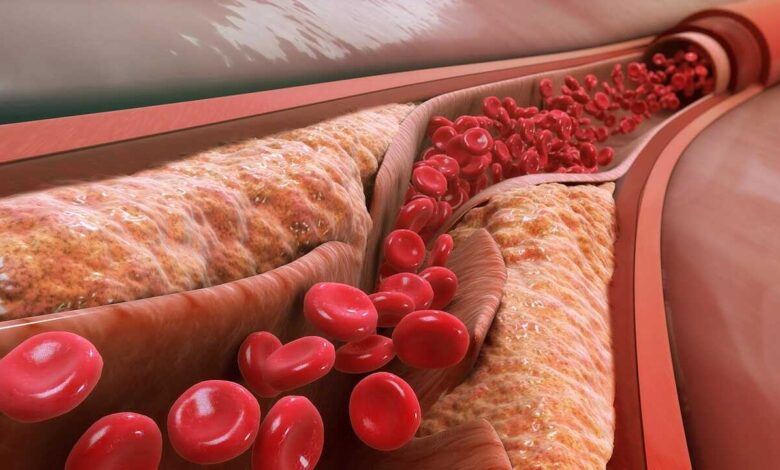
In today’s fast paced lifestyle health problems often develop silently and cholesterol imbalance is one of the most common yet overlooked issues. Poor diet lack of physical activity and constant stress are pushing cholesterol levels higher and the body often sends early warnings through the skin.
Medical experts explain that cholesterol is essential for hormone production and cell function but when it increases beyond normal limits it begins to harm the body. Excess fat can accumulate in blood vessels affecting circulation and reducing oxygen supply to the skin which leads to visible changes.
Doctors note that certain skin symptoms may indicate high cholesterol. Yellow or whitish lumps known as xanthelasma can appear around the eyes eyelids elbows knees or ankles. These painless deposits are often one of the clearest external signs of increased fat levels in the blood.
Apart from visible lumps some people may notice dry dull skin or changes in skin color especially in the hands and feet. Poor blood circulation can also slow wound healing causing cuts and bruises to take longer than usual to recover. These signs suggest that fat balance in the body may be disturbed.

Cardiology specialists warn that ignoring such symptoms can delay diagnosis. Blood tests are necessary to confirm cholesterol levels and assess heart health. In many cases high cholesterol does not show clear symptoms until serious damage has already occurred.
Prevention largely depends on lifestyle choices. Reducing fried and oily foods avoiding junk food and including fruits vegetables whole grains and fiber rich meals can help manage cholesterol. Regular walking yoga or light exercise plays a key role in maintaining healthy fat levels.
Managing body weight reducing stress quitting smoking and limiting alcohol intake further lowers risk. Adequate sleep and routine cholesterol checkups can help catch the problem early and prevent complications.
Doctors advise seeking medical attention if yellow patches appear suddenly skin remains unusually dry or wounds heal slowly. Symptoms such as chest pain breathlessness dizziness or abnormal blood test results should never be ignored. Early medical guidance can prevent long term damage caused by high cholesterol.