

Dates or Almonds Which Dry Fruit Is Better for Winter Health Experts Explain
Health experts say both dates and almonds support immunity during winter, but their benefits differ. Here is how each dry fruit helps energy digestion skin and overall wellness.
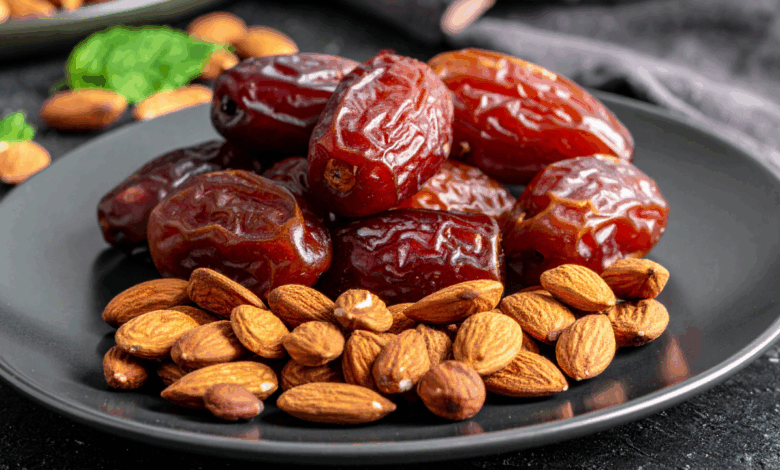
As winter settles in, many people begin to notice frequent colds, fatigue and low energy. Doctors often point out that immunity tends to dip during colder months, making the body more vulnerable to seasonal illnesses. That is why nutritionists repeatedly stress the importance of adding nutrient rich foods to the daily diet, especially dry fruits like dates and almonds.
Both dates and almonds are considered healthy choices, but they work in different ways. Choosing between them depends largely on what your body needs.
Dates are widely known for providing instant energy. They contain natural sugars such as glucose and fructose that quickly fuel the body. Eating two or three dates in the morning can help reduce tiredness and boost stamina, especially for those who feel sluggish during winter mornings. Dates are also rich in iron, which may help manage weakness linked to low hemoglobin levels. Their fiber content supports smoother digestion and can ease constipation, a common complaint during colder months when physical activity often reduces. In moderation, dates can also contribute to improved immunity and help keep the body warm from within.
Almonds, on the other hand, release energy more slowly and steadily. They are packed with healthy fats, protein and fiber, making them a strong choice for sustained energy throughout the day. Unlike dates, almonds do not provide a quick sugar boost, but they help maintain overall strength and endurance. Rich in vitamin E, almonds support skin health, which becomes especially important in winter when dryness and irritation are common. Regular consumption is also linked to better heart health and improved brain function.

Health experts often recommend soaking almonds overnight and eating them in the morning. This practice may improve nutrient absorption and can help manage cholesterol levels. A daily portion of around ten to twelve soaked almonds is generally considered beneficial for overall wellness.
So which one is better for winter. The answer is not straightforward. If you are feeling exhausted, battling mild cold symptoms or need a quick energy lift, dates can be helpful. If your focus is on long term immunity, stable energy and overall health support, almonds may be the better option.
In reality, there is no need to choose just one. Including both in your diet in balanced portions can provide combined benefits. A couple of dates for quick warmth and energy along with a handful of soaked almonds for sustained nourishment can be a practical and healthy winter habit.
As always, moderation is key. Even healthy foods can cause issues if consumed in excess. Listening to your body and maintaining a balanced diet remain the most effective ways to stay strong and resilient throughout the winter season.