

Reheating Leftover Tea Could Harm Your Health Experts Warn of Hidden Risks
Doctors caution that reheating leftover tea may destroy nutrients increase bacteria growth raise acidity and elevate long term health risks including digestive infections and esophageal damage.
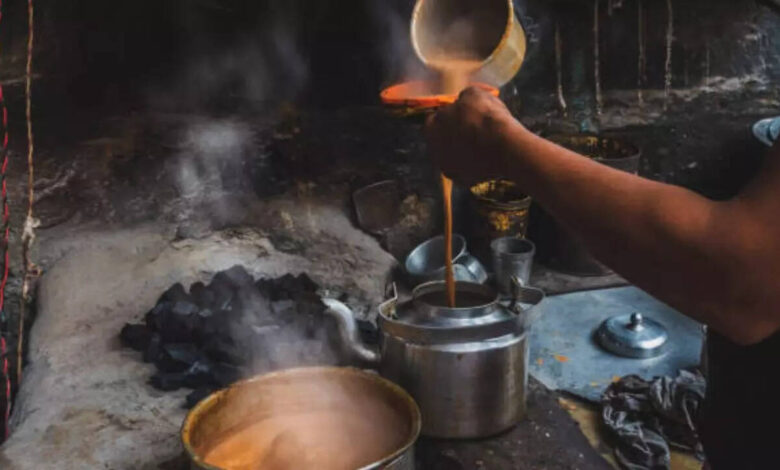
It is a familiar scene in many homes and offices. A cup of tea is poured, work interrupts, and the drink sits untouched until it turns cold. Instead of discarding it, many people simply reheat the tea and continue sipping. Health experts, however, say this everyday habit may not be as harmless as it seems.
Medical professionals point out that tea is best consumed fresh. When left at room temperature for several hours, it can become a breeding ground for harmful microorganisms. Bacteria such as Bacillus cereus and Salmonella may develop if the tea remains exposed for more than four hours. Even reheating does not always eliminate bacterial spores, increasing the risk of stomach infections and digestive discomfort.
Another concern is the breakdown of beneficial compounds. Freshly brewed tea contains polyphenols and antioxidants that support heart health and strengthen immunity. Repeated heating can damage these compounds, reducing the drink to little more than colored water with diminished health value.
Experts also warn about the impact of tannins. When tea is reheated, tannins may become more concentrated, leading to a noticeably bitter taste. Excess tannins can interfere with iron absorption in the body. Over time, this may contribute to iron deficiency and anemia, particularly in individuals already at risk.

Temperature itself plays a role in long term health effects. Drinking beverages at extremely high temperatures, especially above 65 degrees Celsius, may irritate and damage the lining of the esophagus. According to global health observations, regularly consuming very hot drinks has been linked to a higher risk of esophageal complications.
Caffeine concentration may also intensify after reheating. Stronger caffeine levels can stimulate excess gastric acid production, triggering acidity, chest burning and even sleep disturbances. For people already prone to acid reflux, reheated tea can worsen symptoms.
Certain delicate nutrients in tea, including L theanine and small amounts of vitamin C, are sensitive to heat. Continuous reheating can destroy these elements, leaving the beverage less refreshing and less beneficial than intended.
Doctors recommend consuming tea within 15 to 20 minutes of preparation for maximum benefit. If some tea remains, it should be stored in the refrigerator and reheated only once on low heat. Tea that has been sitting outside for long periods is best discarded.
While reheating tea may seem like a practical solution during a busy day, experts say a fresh cup is always the safer and healthier choice.