
Mastering Cholesterol Control Small Lifestyle Changes for a Healthier Heart
Understand how modern habits impact your lipid levels and discover practical strategies to manage high cholesterol through expert backed dietary choices, physical activity, and timely medical screenings for long term wellness.
Medical professionals emphasize that early detection is the primary weapon against silent killers like high cholesterol. Dr. Ajay Kumar from Delhi MCD notes that while some symptoms like unusual chest pressure or shortness of breath are clear indicators, many people mistake general fatigue for aging. Regular blood tests, including lipid profiles and sugar checks, are essential to catch rising levels before they damage your arteries. If you experience numbness in your limbs or notice skin changes around the eyes, it is time to consult a doctor immediately rather than waiting for a crisis.
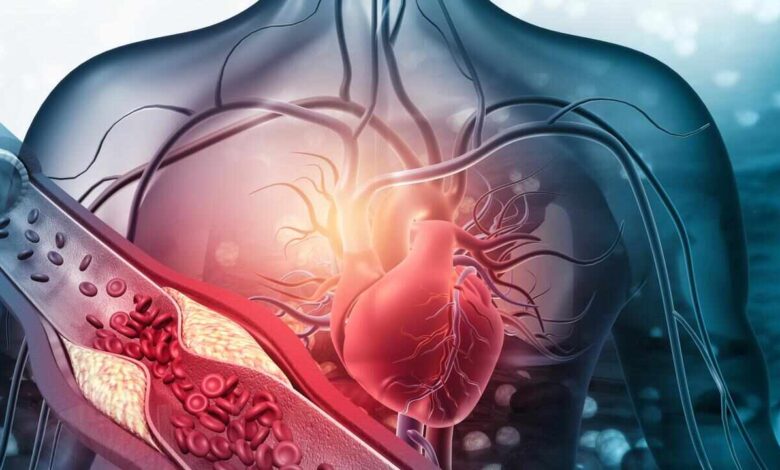
The modern struggle with cholesterol is largely a byproduct of our current environment. Sedentary jobs and a diet heavy in processed fats have led to a surge in obesity and related heart issues. When fatty deposits build up in the blood vessels, they restrict oxygen flow to vital organs, significantly raising the risk of strokes and heart attacks. Furthermore, genetics play a major role. If your family has a history of heart disease, your body might naturally produce more cholesterol, making it even more important to monitor your health markers from a younger age.
Fortunately, managing your levels does not always require drastic measures. It begins with mindful movement and hydration. Instead of sitting for hours at a desk, incorporate short walks throughout the day to keep circulation active. Stress management is equally vital, as high cortisol levels can negatively impact your heart health. Practicing deep breathing exercises or meditation for a few minutes daily can lower your overall physiological strain. Cutting out habits like smoking and excessive alcohol consumption will provide your body with the clean environment it needs to recover and thrive.
Dietary discipline remains the cornerstone of cholesterol management. Swapping fried snacks for fiber rich alternatives like oats, fresh fruits, and leafy vegetables can naturally flush out bad fats. Incorporating healthy sources of fat such as flaxseeds and peanuts helps improve your good cholesterol (HDL) levels. Aim for at least thirty minutes of moderate activity like cycling or yoga every day. By combining a balanced plate with consistent movement, you can effectively melt away stubborn body fat and maintain a heart that functions at its peak performance.