Which Is Better for Breakfast Korra or Wheat Rava
Nutrition experts compare korra and wheat rava for breakfast highlighting differences in fiber glycemic index minerals energy support weight control digestion and suitability for diabetes and active lifestyles
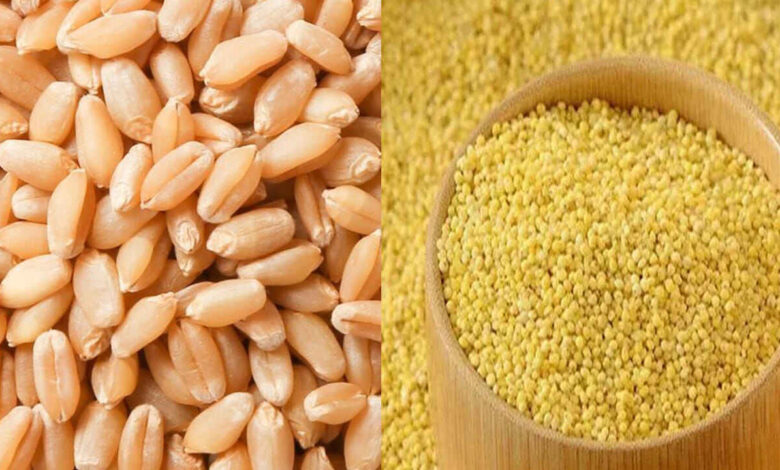
Breakfast choices often shape the tone of the entire day, especially for those trying to manage weight, blood sugar or overall fitness. Two popular options in many Indian kitchens are korra and wheat rava. While both can be turned into wholesome morning meals, their nutritional profiles differ in meaningful ways.
For individuals focused on weight loss or diabetes control, korra is frequently recommended by nutrition experts. It has a lower glycemic index compared to wheat rava, which means it raises blood sugar levels more gradually. This slow release of glucose helps maintain steady energy and reduces sudden hunger spikes. People with diabetes may find korra particularly beneficial as it supports better blood sugar stability.
Fiber content is another key factor in this comparison. Korra is rich in dietary fiber, which promotes a feeling of fullness for a longer time. This can help prevent overeating and unnecessary snacking throughout the day. Improved digestion is an added benefit. Regular consumption may reduce common issues such as constipation, gas and bloating. A healthy digestive system also plays a role in better nutrient absorption.
Wheat rava, on the other hand, is valued for its carbohydrate content. It provides quick and sustained energy, making it suitable for individuals with physically demanding routines. Those engaged in heavy work or intense activity may benefit from the higher energy release that wheat rava offers. It also contains fiber, which contributes to satiety, though its glycemic impact is generally higher than that of korra.


Mineral content further sets korra apart. It contains significant amounts of calcium and iron. Calcium supports stronger bones and teeth and may help reduce the risk of bone related conditions such as osteoporosis. Iron contributes to improved hemoglobin levels and helps prevent anemia. For individuals with low iron levels, incorporating korra into the diet may provide added support.
Korra also contains protein, vitamin B complex and antioxidants. These nutrients collectively support energy production, healthy blood circulation and improved skin health. Antioxidants and amino acids present in korra may help reduce signs of early aging and promote a brighter complexion.
Digestibility is another practical consideration. Many people find korra lighter on the stomach, especially when prepared properly. It can be included in upma, porridge or other breakfast dishes without much difficulty. Wheat rava is also versatile and widely accepted in taste, making it easy to adapt into daily meals.
Ultimately, the better choice depends on personal health goals. Those aiming to lose weight, manage diabetes or improve mineral intake may lean toward korra. Individuals seeking higher carbohydrate energy for demanding schedules may prefer wheat rava. Both can be part of a balanced diet when consumed mindfully.
Rather than choosing one permanently over the other, rotating between korra and wheat rava according to dietary needs may offer the most practical and sustainable approach to a healthy breakfast routine.