Hidden in Plain Sight How Atibala Became a Trusted Herbal Remedy
From fever and cough relief to kidney stone support this traditional medicinal plant is believed to offer natural antibacterial anti inflammatory and restorative benefits across multiple health concerns
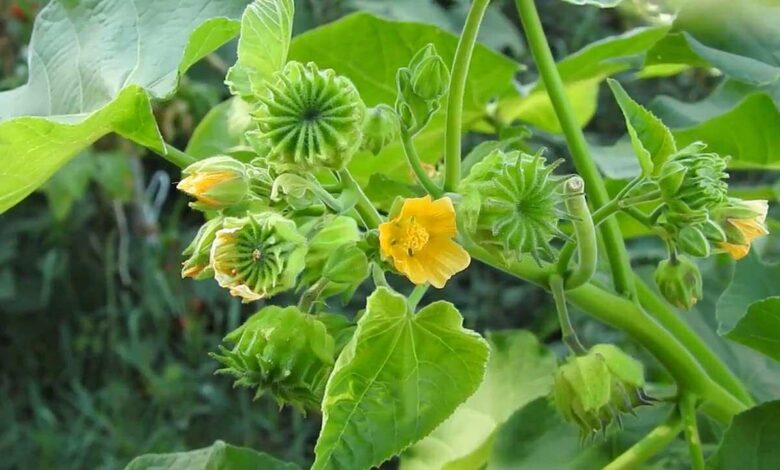
Used for centuries in Indian traditional medicine Atibala is believed to help manage fever joint pain urinary disorders kidney stones skin issues and several other conditions through natural antibacterial and anti inflammatory properties
In many villages across India, a modest looking plant growing along roadsides and field boundaries is quietly valued as a powerful healer. Known as Atibala, and locally referred to by several regional names, this plant has been part of traditional medicine systems for generations. Though often overlooked as a common weed, practitioners of Ayurveda and Siddha medicine regard it as a multipurpose remedy with remarkable therapeutic potential.
Belonging to the Malvaceae family, Atibala is known for its antibacterial and anti inflammatory qualities. Traditional healers use almost every part of the plant including leaves, roots, flowers, stems and seeds. Ancient Ayurvedic texts describe it as beneficial in managing more than a hundred ailments, ranging from minor infections to chronic inflammatory conditions.
One of its most discussed uses is in treating fever and respiratory problems. The leaves are often soaked in water and consumed with natural sweeteners to help reduce fever. For lung related illnesses, including conditions associated with inflammation and persistent cough, herbal practitioners prepare a decoction using the entire plant. This preparation is believed to soothe the respiratory tract and support recovery.


Joint pain and arthritis are other areas where Atibala is widely applied. A paste made from its leaves mixed with mustard oil is traditionally massaged onto swollen joints to ease discomfort. Similarly, those suffering from lower back pain are advised to consume a herbal decoction prepared from the leaves. The anti inflammatory properties of the plant are said to play a key role in reducing stiffness and pain.
Urinary tract disorders are another focus of its use. People experiencing burning sensations during urination or dealing with bladder stones are often given a boiled extract of the leaves combined with honey. Traditional belief holds that this mixture may help dissolve stones and relieve irritation. In cases of urinary infections or even blood in urine, the leaf juice mixed with honey is consumed as a supportive remedy.
Skin conditions also feature prominently in its list of applications. When mixed with turmeric and applied as a paste, crushed Atibala leaves are used on wounds, swellings and boils. Thanks to its antibacterial action, the paste is believed to speed up healing and prevent infection. For oral health, some communities use the leaf extract as a mouth rinse to strengthen gums and reduce toothache.
Women facing certain infections are sometimes advised to use a mild decoction of the leaves for cleansing purposes. Meanwhile, the seeds are brewed into a herbal tea that is traditionally given to those suffering from diarrhea. The plant is also associated with supporting heart health when its leaf juice is taken with a small amount of sugar.
The roots of Atibala hold special importance in classical Ayurvedic preparations. Boiled in cow milk and consumed with natural sweeteners, the root mixture is recommended in ancient texts to improve strength and vitality. In some traditional practices, the root decoction is also used to address male reproductive concerns and boost overall stamina.
Interestingly, herbal practitioners suggest that the plant may help regulate blood sugar levels, making it potentially useful for individuals managing diabetes. Its immune boosting properties are often highlighted as a reason it has remained relevant in folk medicine for centuries.
While modern scientific research is still exploring many of these claims, Atibala continues to occupy a respected place in traditional healthcare. For rural communities especially, it represents a reminder that healing resources can sometimes be found growing quietly in the most ordinary surroundings.