Betel Leaves and Daily Wellness Why This Traditional Leaf Still Finds a Place After Meals
Common in rituals and family gatherings betel leaves are also valued for digestion oral care immunity and stress relief when consumed mindfully at the right time each day.
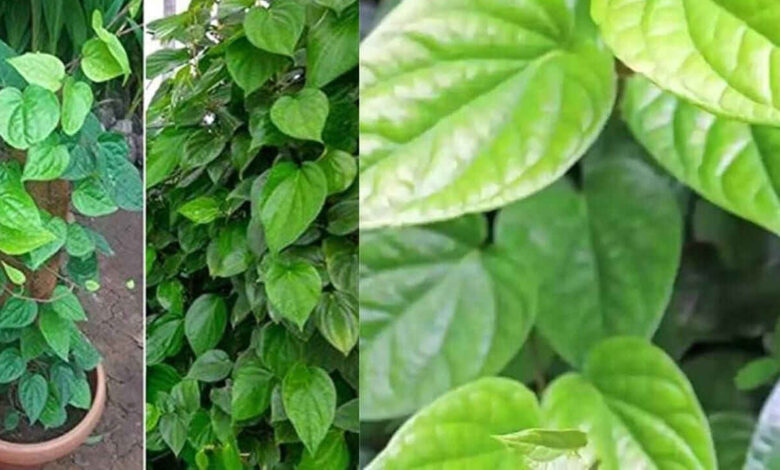
In many Indian homes, the day does not truly end without a simple ritual after meals. A fresh betel leaf, neatly folded and gently chewed, has long been part of tradition. While it carries deep cultural and religious significance, especially during ceremonies and celebrations, its presence is not limited to customs alone. Increasingly, attention is turning toward its potential health benefits.
Betel leaves are known to contain natural antibacterial, anti inflammatory and antioxidant properties. According to references cited by the American National Library of Medicine, the leaf has compounds that may help the body fight infections and reduce inflammation. This explains why it has been used in traditional systems of medicine for centuries to address common ailments such as cough, cold and throat discomfort.
One of the most talked about benefits of chewing betel leaves after meals is improved digestion. The natural compounds in the leaf are believed to stimulate digestive enzymes, which can help the body break down food more efficiently. Many people who experience bloating, gas, indigestion or mild acidity find relief when betel leaves are consumed in moderation after eating. This traditional practice, often followed by elders, may have had more scientific reasoning behind it than previously assumed.
Oral health is another area where betel leaves are said to offer support. Bad breath is a common issue faced by many, often caused by bacterial growth in the mouth. Thanks to its antibacterial qualities, chewing a fresh betel leaf can help control odor causing microbes. It acts as a natural mouth freshener and may also provide relief from minor gum problems. The presence of vitamin C in the leaves is believed to strengthen gums and reduce occasional bleeding when consumed appropriately.

Some traditional beliefs also connect betel leaf consumption with better blood sugar balance. While it is not a substitute for medical treatment, moderate intake after meals is thought to help regulate sugar levels and lower the risk of complications linked to metabolic health. Its detoxifying properties, supported by natural tannins and plant compounds, are believed to assist the body in flushing out unwanted toxins.
Interestingly, regular consumption in small quantities may also contribute to mental relaxation. Many people report feeling calmer after chewing a betel leaf, suggesting a mild stress relieving effect. In a fast paced lifestyle, even such small calming rituals can make a noticeable difference.
Beyond physical health, betel leaves continue to symbolize hospitality and auspiciousness in Telugu culture and across India. From weddings to temple offerings, they remain inseparable from tradition. Yet their enduring presence may be due not only to faith but also to practical health value passed down through generations.
Experts advise that betel leaves should be consumed in their natural form and without harmful additives. When taken mindfully, particularly after meals or occasionally on an empty stomach for gum strength, they can be a gentle addition to daily wellness habits.
As modern lifestyles evolve, some ancient practices are being reexamined with fresh curiosity. The humble betel leaf, shining green and aromatic, stands as a reminder that tradition and health often grow from the same root.