
Can Kidney Stones Pass Without Surgery Experts Explain Remedies and Warning Signs
Doctors clarify differences between kidney and gallbladder stones highlight pain patterns and say small kidney stones may pass naturally with fluids while larger or stuck stones require timely medical intervention.
Severe abdominal pain often leaves patients fearing the worst, but doctors say understanding the type of stone inside the body makes all the difference. Kidney stones and gallbladder stones are common yet frequently confused conditions. Though both involve hard deposits, their treatment approaches and warning signs are very different.
Specialists explain that kidney stones form in the urinary system, while gallbladder stones develop in the bile storing organ located under the liver. The confusion usually begins when pain strikes. Right sided abdominal pain is often mistaken for a kidney issue, but medical imaging and symptom patterns help doctors quickly identify the real cause.
One key difference lies in treatment. In the case of gallbladder stones, removing just the stone is not considered safe. The gallbladder wall is extremely thin, and attempting to extract only the stone can cause bile leakage, leading to serious infection. For this reason, when surgery is required, doctors remove the entire gallbladder through a procedure known as cholecystectomy. Since the gallbladder is not a vital organ, patients can live normally without it. Importantly, surgery is usually advised only when gallbladder stones cause pain.
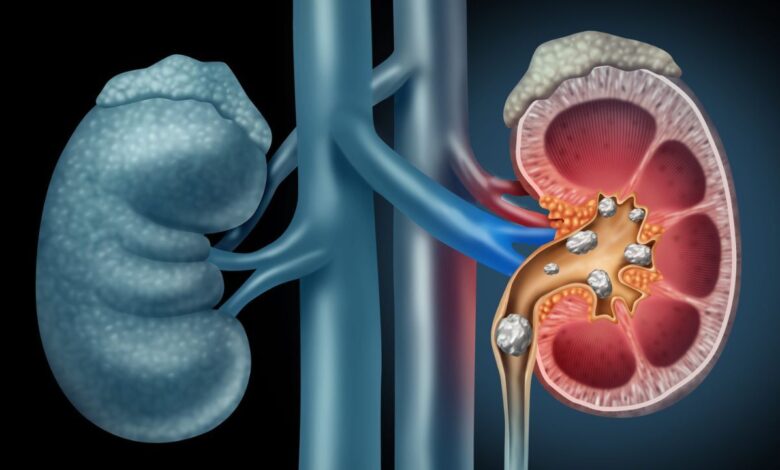
Kidney stones, however, are handled differently. Doctors do not remove the kidney itself. Instead, they focus on removing or helping the stone pass. Pain from kidney stones often becomes intense when a small stone moves from the kidney into the ureter, the narrow tube that carries urine to the bladder. If the stone gets stuck there, it causes severe cramping pain known as urinary colic. This pain typically starts in the lower back and may spread toward the lower abdomen or groin. Burning during urination can also be a warning sign.


In contrast, gallbladder stone pain is usually felt in the upper abdomen beneath the ribs, often on the right side. Because of this overlap in location, some patients initially assume it is a kidney problem.
When it comes to kidney stones smaller than one centimeter, doctors often recommend conservative management first. Drinking plenty of water can help flush out small stones naturally. Increasing fluid intake boosts urine flow, which may push the stone out without surgical intervention. Lemon water is frequently suggested because citrate in lemons may help prevent stone formation and support dissolution. Coconut water is also believed to aid urine output. Barley water has long been used traditionally to help cleanse the urinary tract.
However, experts caution that not all stones can be managed at home. If a stone blocks the ureter and causes kidney swelling, infection or rising creatinine levels, immediate medical treatment becomes necessary. Delaying care in such cases can damage kidney function.
Doctors emphasize that patients should not self diagnose or insist on specific procedures. Each case must be evaluated through scans, lab tests and clinical assessment. While certain small kidney stones may pass naturally with adequate hydration, professional guidance remains essential to prevent complications.
Understanding the difference between kidney and gallbladder stones can reduce panic and ensure timely treatment. With the right diagnosis and expert care, many patients can avoid unnecessary surgery while protecting their long term health.