
The Hidden Health Benefits of Eating Fennel Seeds After Meals
Eating fennel seeds after heavy meals may aid digestion reduce acidity freshen breath support blood pressure balance and improve overall gut health according to traditional wisdom and modern research findings
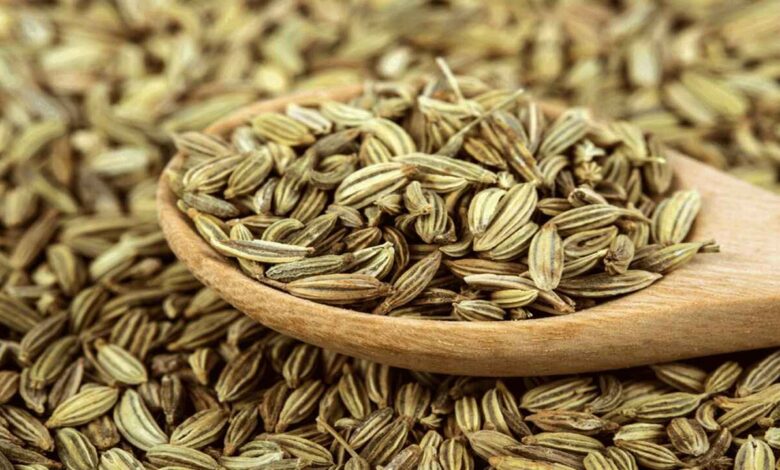
In many Indian homes and restaurants, a small bowl of fennel seeds is offered right after a meal. Most people casually chew them for the pleasant taste or to freshen their breath, rarely pausing to think about the deeper health logic behind this long standing custom. However, experts say this tiny post meal ritual carries far more benefits than it appears.
Health practitioners point out that fennel seeds are packed with natural oils that help stimulate the production of digestive enzymes. This becomes especially useful after consuming rich or spicy food, which is common in restaurant meals and festive gatherings. By supporting quicker breakdown of food in the stomach, fennel may help reduce bloating, gas and the uncomfortable heaviness many people experience after overeating.
Modern lifestyles have led to a rise in digestive complaints, particularly acidity and heartburn. Chewing fennel seeds after eating is believed to soothe the stomach lining and calm excess acid production. In traditional medicine systems, fennel is often recommended to balance internal heat and relieve burning sensations in the chest. For individuals who frequently struggle with indigestion, this simple habit can offer gentle and natural support.
Another reason fennel is served at the end of meals relates to oral hygiene. Food particles and bacteria can linger in the mouth after eating, sometimes leading to unpleasant breath. Fennel seeds contain antibacterial properties that may help control the growth of harmful microbes. They also stimulate saliva production, which naturally cleanses the mouth and leaves a refreshing aftertaste.


Beyond digestion and breath freshness, fennel seeds offer nutritional value. They contain potassium, an essential mineral known to support healthy blood pressure levels. The presence of vitamin A contributes to eye health, while antioxidants in fennel are believed to assist in flushing toxins from the body. Some nutritionists suggest that regular but moderate consumption may even contribute to clearer skin due to its cleansing properties.
While many see fennel seeds as a simple courtesy offered in hotels and at celebrations, the practice reflects generations of accumulated wisdom. It is a reminder that small, mindful habits can quietly support overall wellbeing. The next time a bowl of fennel seeds appears at the end of a meal, it may be worth appreciating not just the flavor, but the subtle health benefits packed into each tiny seed.