
Stop Throwing Away Kiwi Peel Experts Say You Are Missing Half the Nutrition
Health experts reveal kiwi peel contains more fiber antioxidants and vitamins than the pulp alone supporting digestion immunity heart health glowing skin and even reducing food waste when properly cleaned and eaten
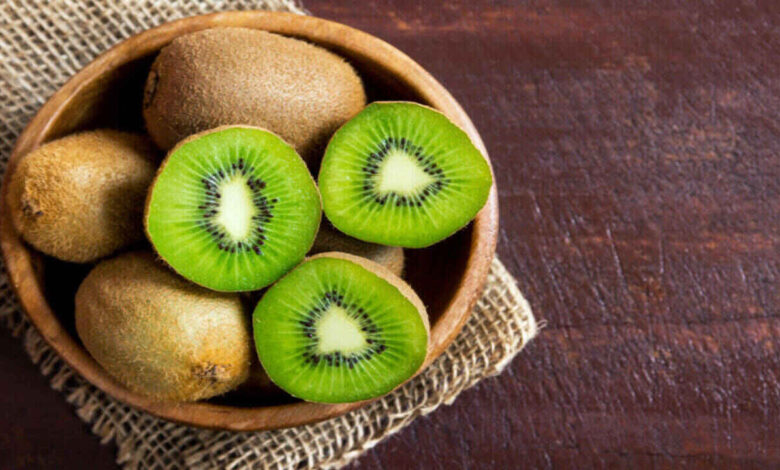
Most people slice a kiwi, scoop out the bright green flesh, and toss the brown fuzzy skin straight into the bin. The texture of the outer layer may not look appealing at first glance. However, nutrition experts now say that discarding the peel could mean losing a significant portion of the fruit’s health benefits.
Research suggests that the peel contains up to fifty percent more fiber than the inner pulp. Fiber plays a crucial role in maintaining gut health, supporting smooth digestion, and preventing constipation. For individuals trying to manage their weight, the added fiber can promote a feeling of fullness and help regulate appetite. It may also assist in stabilizing blood sugar levels after meals.
Kiwi is already well known for being rich in vitamin C, but the nutrients are not limited to the juicy interior. The peel also carries a notable amount of vitamin C and vitamin E, both of which contribute to stronger immunity. These vitamins act as natural defenders, helping the body resist infections and harmful microbes.
Another advantage of consuming the peel lies in its antioxidant content. Powerful compounds such as flavonoids help reduce inflammation in the body. Over time, lowering inflammation can decrease the risk of chronic conditions such as heart disease, diabetes, and certain types of cancer. This makes the peel far more valuable than many people realize.

Skin health may also benefit from eating kiwi with its outer layer. Vitamin E supports hydration and helps protect skin cells from damage caused by environmental stress. Some natural skincare enthusiasts even use kiwi peel in homemade scrubs, believing it contributes to a healthy glow and reduced signs of aging.
There is also an environmental angle to consider. Eating the fruit whole, without wasting the peel, helps reduce food waste. While it may seem like a small step, such habits collectively contribute to more sustainable consumption patterns.
For those hesitant about the fuzzy texture, there is a simple solution. Before eating, wash the kiwi thoroughly under running water. Gently scrub the surface with a vegetable brush or a slightly rough cloth to reduce the fuzziness. Once cleaned, the peel becomes much easier and more pleasant to consume.
Experts emphasize that if the fruit is properly washed, eating the peel is generally safe and nutritionally rewarding. Instead of throwing it away out of habit, reconsider giving the entire fruit a chance. That small change could add a surprising boost to your daily nutrition.