Samsung expands satellite connectivity for Galaxy users worldwide
New feature will allow Galaxy smartphones to send messages and access emergency services without cellular network, rolling out in phases across North America, Europe and Japan from 2025
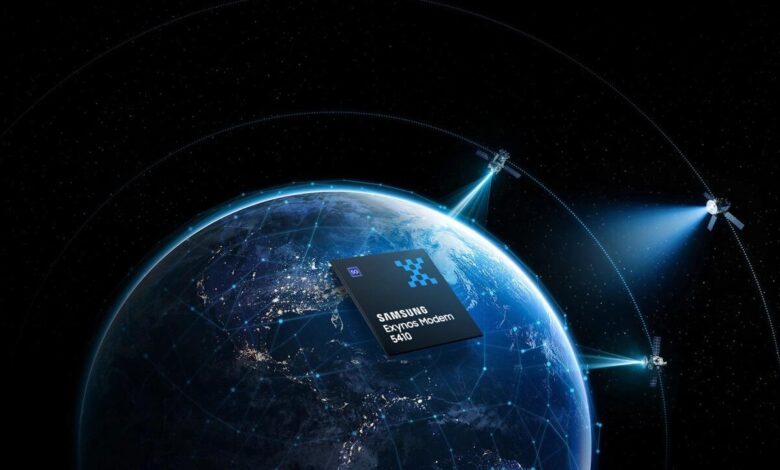
Samsung smartphone users have a reason to celebrate as the company prepares to unlock satellite communication support across its Galaxy lineup, enabling messaging and emergency connectivity even in areas without cellular coverage.
The rollout will begin in phases across key global markets, with partnerships already in place in North America, Europe and Japan. The move marks a major step in keeping users connected during travel, natural disasters or in remote regions where traditional network signals fail.
How the service will function
Samsung confirmed through an official announcement that it is expanding satellite based communication for Galaxy devices worldwide. The feature allows smartphones to transmit messages and limited data directly via satellite when there is no cellular signal or Wi Fi access, such as in deserts, mountains or at sea.


To make this possible, Samsung is working closely with major telecom carriers and satellite providers. In the United States, collaborations include T Mobile, Verizon and AT and T, along with satellite operator Starlink. Through these partnerships, Galaxy users will be able to send emergency texts, access SOS features and in select cases use satellite powered data services.
For users wondering about its practical value, the answer lies in emergencies. If someone is stranded without signal, they can still send a distress message or contact emergency services. In disaster prone regions like Japan, the service is also designed to deliver early warnings for earthquakes and tsunamis.
Device eligibility and support
Samsung has confirmed that satellite communication will be supported on select Galaxy flagship models and certain Galaxy A series devices starting in 2025. The feature is already being extended to the newly introduced Galaxy S26 series and will also cover earlier premium models launched after the Galaxy S21. Some Galaxy A series smartphones will also qualify, depending on market and carrier support.
Regional rollout details
In North America, Samsung is enabling satellite features through partnerships with leading carriers. T Mobile is supporting its satellite based T911 service, which allows users to send text messages to emergency services through Starlink satellites. Verizon is offering emergency SOS and text functionality on supported flagship models including the Galaxy S25 and Galaxy S26 series. AT and T is also working with Samsung to integrate satellite connectivity across compatible Galaxy devices.
In Europe, Samsung is collaborating with Virgin Media O2 in the United Kingdom to introduce satellite connectivity for the Galaxy S25 and Galaxy S26 series. In Spain, the company has partnered with MasOrange, with joint trials scheduled to begin in March. Vodafone is also working with Samsung to enable satellite communication on compatible Galaxy smartphones across selected European markets.
Meanwhile in Japan, Samsung is teaming up with KDDI, SoftBank, NTT Docomo and Rakuten Mobile to expand satellite powered text, data and emergency alert services. From 2025, satellite based messaging, data access and tsunami warning alerts will be available on KDDI network supported devices including the Galaxy S22 and newer models, along with select Galaxy A series smartphones.
With satellite connectivity moving from concept to mainstream feature, Samsung is positioning its Galaxy ecosystem as more resilient and reliable. For millions of users, staying connected may soon no longer depend solely on traditional network towers.