Why Liver Damage Is Rising Even Among Non Drinkers
Doctors warn that poor diet obesity infections stress and long term medication use are emerging as major causes of liver disease even in people who do not consume alcohol
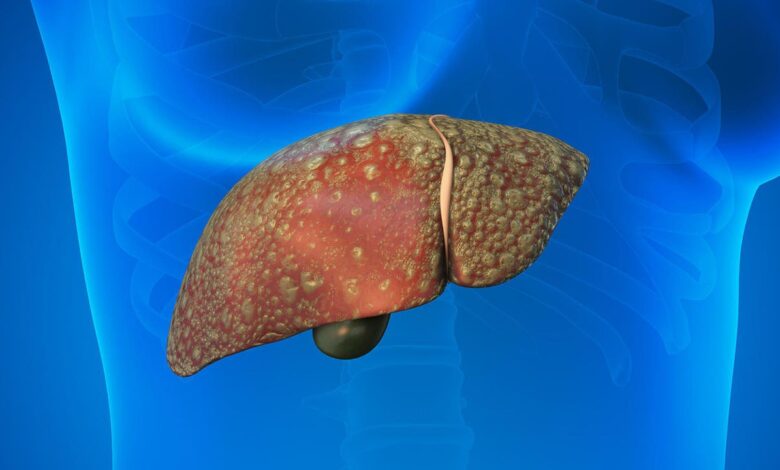
For years, liver damage has been closely linked with alcohol consumption. Many people assume that as long as they avoid drinking, their liver will remain safe. However, doctors are now raising concern over a growing number of liver disease cases among individuals who have never consumed alcohol or have already quit.
Health experts say this trend highlights a larger lifestyle problem.
Early signs often go unnoticed
One of the biggest challenges with liver disease is that symptoms can be mild in the beginning. Fatigue, loss of appetite and a feeling of heaviness on the right side of the abdomen are often ignored. Some people complain of gas, indigestion, nausea or unexplained weight gain.


As the condition progresses, more visible signs may appear. Yellowing of the skin and eyes, dark colored urine and swelling in the legs can indicate that the liver is not functioning properly. By the time these symptoms become obvious, damage may already be significant.
What causes liver damage without alcohol
Medical experts explain that alcohol is only one of many risk factors. Unhealthy eating habits, especially frequent consumption of fried and processed foods, can put continuous strain on the liver. Lack of physical activity and rising obesity rates are also strongly linked to fatty liver disease.
Long term use of medications without proper medical supervision can harm the liver as well. In addition, viral infections spread through contaminated food or water can directly affect liver function.
Stress, poor sleep and irregular daily routines may further disturb metabolism, indirectly impacting liver health. In some cases, genetics or existing medical conditions can increase vulnerability.
Who faces higher risk
Certain groups are more prone to liver problems even if they do not drink. People who are overweight, living with diabetes or managing thyroid disorders face a greater risk. Those who lead sedentary lifestyles or frequently eat outside food may also be more exposed.
Individuals on prolonged medication and those with weakened immunity should be especially cautious. A family history of liver disease can further increase the likelihood of developing similar conditions.
Prevention begins with daily habits
Doctors emphasize that protecting the liver does not require extreme measures but consistent healthy choices. Eating balanced home cooked meals, limiting processed and fried foods and staying physically active can significantly reduce risk.
Drinking enough water, maintaining a healthy weight and undergoing regular health checkups are equally important. Experts also advise against taking medicines without prescription.
Simple lifestyle adjustments such as daily walking, practicing yoga or meditation to manage stress and maintaining proper sleep can go a long way in supporting liver health.
The message from health professionals is clear. Avoiding alcohol alone is not enough. Caring for the liver requires mindful eating, active living and regular medical attention to prevent silent damage from progressing unnoticed.