Silent Warning Signs of Rising Cholesterol and How Small Diet Changes Can Help
Doctors say unhealthy cholesterol builds quietly in arteries without pain or visible symptoms but simple food swaps and regular exercise can improve levels significantly within three to six months
When conversations turn to modern health concerns, one word comes up almost immediately cholesterol. For many, it sounds like a direct threat to the heart. Yet experts clarify that cholesterol itself is not the enemy. In fact, the body needs it to build cells and produce vitamin D. Trouble begins only when its levels cross healthy limits.
Why cholesterol becomes dangerous
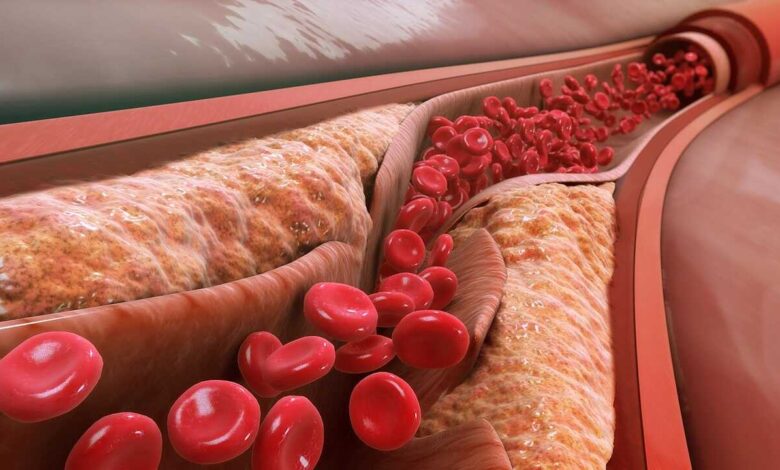
Cholesterol is a wax like substance produced by the liver and carried in the blood. It travels in two main forms. LDL often called bad cholesterol can deposit fat along artery walls. Over time this buildup narrows blood vessels, restricting blood flow and raising the risk of heart attack or stroke. HDL known as good cholesterol works differently. It helps carry excess cholesterol back to the liver where it can be processed and removed.
The real concern is that rising LDL levels rarely cause immediate discomfort. There is usually no pain or visible sign in the early stages. Fat quietly accumulates inside arteries, which is why medical professionals often refer to high cholesterol as a silent threat. Globally, heart related illnesses account for a significant share of deaths, and unmanaged cholesterol is a major contributor.

What increases cholesterol levels
While genetics can play a role, lifestyle choices have a far greater impact. Obesity, insulin resistance, smoking and excessive alcohol intake can all push bad cholesterol higher. Long term inflammation in the body also places added strain on the heart.
Sedentary habits and frequent consumption of high fat processed foods further worsen the problem. Many people remain unaware of their cholesterol status until a routine health check reveals elevated numbers.
Simple steps that can bring change
The encouraging news is that cholesterol can often be managed through diet and exercise. Reducing saturated fats found in red meat, butter and cheese is a key first step. Replacing them with fiber rich foods such as oats, lentils, okra, eggplant, apples, grapes and guava can help lower LDL levels.
Nuts like walnuts, flax seeds and fish rich in omega 3 fatty acids support heart health. Garlic, which contains a compound called allicin, has also been linked to improved cholesterol control. Cutting down refined oils and sugar further strengthens these efforts.
Physical activity plays an equally important role. Experts recommend at least 150 minutes of brisk walking, cycling or swimming each week. Regular aerobic exercise can raise HDL levels, offering added protection for the heart. Yoga practices and breathing exercises may also support better metabolism.
With consistent discipline in food choices and activity levels, noticeable improvement can often be seen within three to six months. Health professionals emphasize that regular screening is essential because early detection makes management far easier.
Cholesterol may work silently, but awareness and small daily changes can make a powerful difference. The question many doctors now ask patients is simple when was the last time you checked your cholesterol levels.