New SIM Binding Rule Changes How WhatsApp and Telegram Work in India
From March 1 messaging platforms like WhatsApp Telegram and Signal will function only on phones with the original active SIM linked to the account aiming to curb cyber fraud
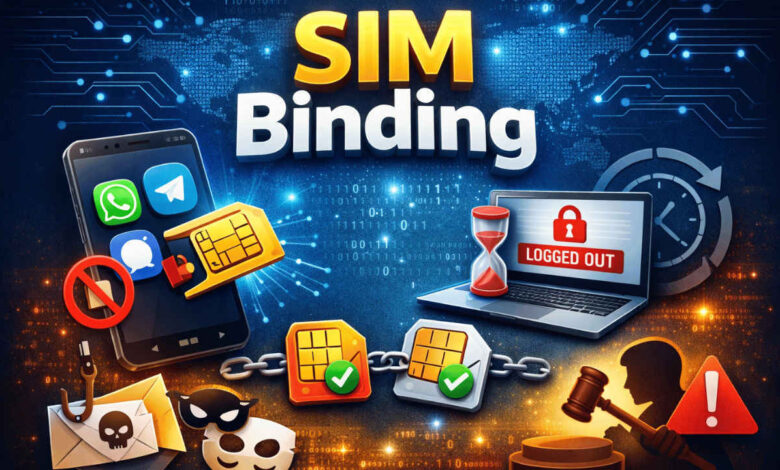
A significant shift in India’s digital landscape has taken effect from March 1, as the Department of Telecommunications introduced a strict SIM Binding rule that directly impacts millions of messaging app users. Under the new regulation, platforms such as WhatsApp, Telegram and Signal will now operate only on devices that contain the same active SIM card used during account registration.
The move is being positioned as a strong step toward tackling cyber fraud and identity misuse. Authorities observed that scammers often exploited inactive or duplicate SIM cards to continue operating messaging accounts for fraudulent activities. By ensuring that an account remains linked to a live and verified SIM inside the primary device, the government aims to tighten digital security and reduce misuse.
However, the rule has also created inconvenience for regular users accustomed to flexible login options. Earlier, once an account was verified, users could remove the SIM from their phone and still continue using the app seamlessly. Web and desktop versions would remain active without frequent checks. That system has now changed.
With the new framework in place, if the registered SIM is not present and active in the device, the app may stop functioning or require fresh verification. Users who frequently switch SIM cards between devices or rely heavily on secondary phones and tablets are expected to feel the impact the most.


One noticeable change involves web access. WhatsApp Web and Telegram Web sessions will now automatically log out every six hours. To log back in, users must ensure that the original SIM linked to the account is inserted in the phone. This step adds an additional layer of authentication but also interrupts continuous desktop usage.
Individuals who manage the same number across multiple devices will need to repeatedly activate and verify their accounts. Those who depend on desktop or laptop versions throughout the workday may have to reconnect several times. Similarly, travelers inserting local SIM cards while abroad could be prompted to re verify their primary number once they switch back.
WiFi only tablets and secondary gadgets may also face limitations, as uninterrupted access without the primary SIM will no longer be possible. While some users have welcomed the rule as a necessary security upgrade, others see it as a disruption to everyday convenience.
The government maintains that stronger digital safeguards are essential in an era of rising online scams. As the new SIM Binding system settles in, users may need to adapt their habits, balancing security priorities with the flexibility they once enjoyed.