Centre Plans Early Implementation of Women Reservation Bill Ahead of Lok Sabha Elections
Government prepares to implement women reservation bill with 33 percent seats by revising delimitation process increasing Lok Sabha strength and seeking political consensus to pass key constitutional amendments soon.
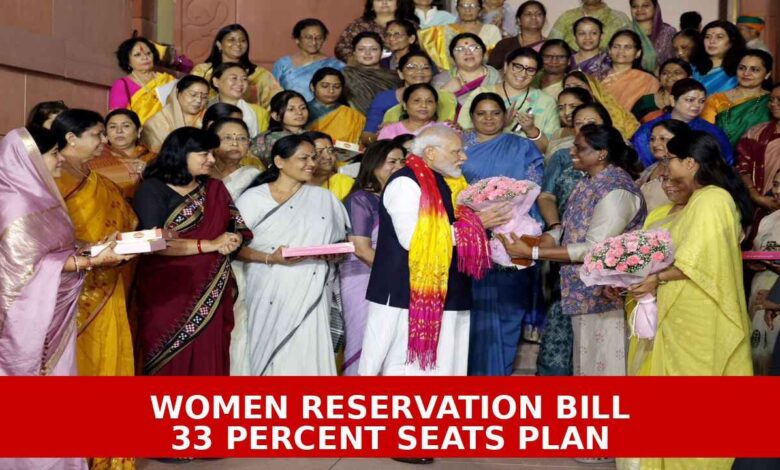
- Women reservation bill aims 33 percent seats in Lok Sabha
- Government plans early implementation of women reservation bill
- Women reservation bill linked with delimitation changes
New Delhi: The central government is accelerating efforts to implement the women reservation bill ahead of the upcoming Lok Sabha elections, aiming to provide 33 percent reservation for women in Parliament.
As part of this plan, the government is considering introducing two key bills in the current Parliament session. These proposals are expected to modify existing provisions and enable faster implementation of reservations without waiting for the next population census.
One of the major changes under discussion involves increasing the strength of the Lok Sabha from 543 to around 816 seats. Out of these, nearly 273 seats could be reserved for women, significantly enhancing their representation in national politics.
To build consensus, Union Home Minister Amit Shah has initiated discussions with leaders of NDA allies and non Congress opposition parties. The government is working to secure the required support, as passing these bills would need a two thirds majority in Parliament.


Although the women reservation law was already passed as a constitutional amendment in 2023, its implementation was linked to the completion of a fresh census and delimitation exercise. The government is now exploring the option of using 2011 census data to carry out delimitation and expedite the process.
Officials believe that advancing the timeline will help ensure the reservation policy is implemented sooner, potentially before the next general elections. However, the move will require careful coordination and agreement across political parties.
The proposed bills are expected to amend both the existing reservation framework and delimitation rules, paving the way for structural changes in parliamentary representation. The outcome of ongoing consultations will determine how quickly the reforms move forward.