

Watermelon Safety Warning Hidden Risks of Foam While Cutting and Why It Can Turn Dangerous
A recent incident and expert warnings highlight that foam formation, strange smell, or poor storage in watermelon may signal fermentation, bacterial growth, and serious health risks including food poisoning and organ complications
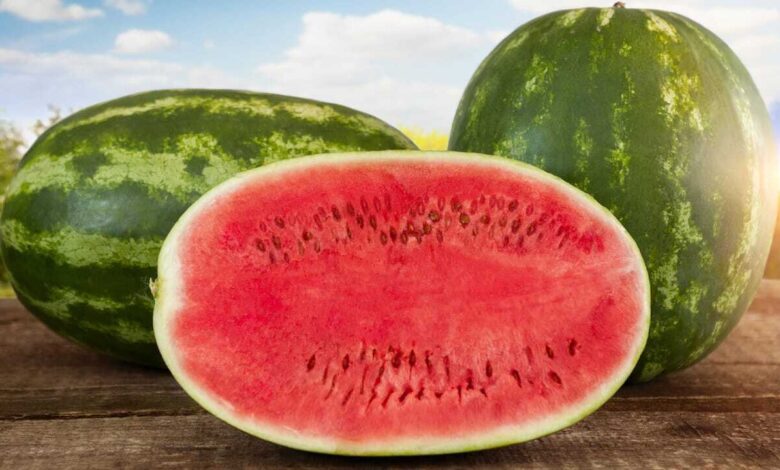
Watermelon is one of the most loved fruits during summer because it gives instant relief from heat and helps keep the body hydrated. But experts are now warning that not every watermelon is safe to eat, especially when it has been stored carelessly or exposed to extreme heat for long hours. A recent tragic incident in Mumbai where four members of a family reportedly died after consuming watermelon has added serious concern around fruit safety and storage habits.
When a watermelon is kept under high temperatures for a long time, especially between 35°C and 45°C, the natural sugars inside can begin to ferment. This process activates yeast naturally present in the fruit, leading to gas formation. In such cases, when the fruit is cut, foam or bubbles may appear, or a slightly sour smell may come from inside. These are warning signs that the fruit may have started decomposing internally. Eating such fruit can lead to severe food poisoning, vomiting, diarrhea, dehydration, and in extreme cases, complications affecting the kidneys.
Another major concern is contamination from chemicals and bacteria. In some cases, growers may use banned substances or chemical dyes to make the fruit appear brighter red or more attractive. If you notice unusual yellow patches, uneven red coloring, or hollow sections inside the fruit, it could be a sign of chemical interference or abnormal growth. Since watermelons grow close to the ground, their outer surface can also carry harmful bacteria like E coli or Salmonella. If the fruit is not washed properly before cutting, these bacteria can enter the flesh through the knife and cause infections.
Experts also stress that buying watermelon requires careful attention. A fruit that feels unusually warm when touched in direct sunlight should be avoided, as a healthy watermelon is usually cooler than the surrounding temperature. If tapping the fruit produces a very hollow or overly dull sound, it may indicate internal decay. A dull or yellowing rind, or a sticky texture near the stem area, can also suggest that the fruit is no longer fresh.


Storage habits are equally important. An uncut watermelon should not be kept at room temperature for more than a week, while cut pieces should ideally be consumed within two to three days if refrigerated. Beyond this, the risk of bacterial growth increases significantly. While watermelon remains a nutritious and refreshing fruit, experts emphasize that freshness and proper handling are key. Being alert to early warning signs can help prevent serious health issues and ensure safe consumption during the hot summer months.