

Plastic Water Bottles And Sleep Problems What New Research Says About Hidden Health Risks
Scientists warn that chemicals released from plastic water bottles may interfere with the body’s natural biological clock leading to sleep disturbances and long term health risks that many people often overlook in daily life
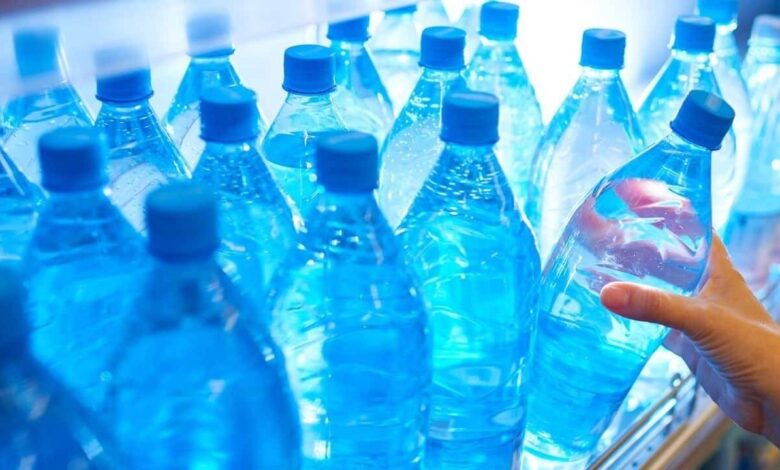
Most people assume that sleep problems are mainly caused by stress, late night phone usage or irregular routines. However, recent scientific findings suggest that even something as ordinary as drinking water from plastic bottles could be quietly disturbing our sleep patterns without us realizing it.
In daily life, plastic water bottles have become almost unavoidable. Whether it is during travel, office hours or gym sessions, many people rely on them for convenience. But researchers from the Norwegian University of Science and Technology, led by toxicology expert Martin Wagner, have been studying the hidden impact of chemicals released from plastic materials such as PVC and polyurethane. These substances are commonly found not only in water bottles but also in food packaging and feeding tubes.
What makes this concern more serious is how these chemicals behave once they enter the human body. Studies show that they can interfere with the body’s internal systems, especially those responsible for regulating biological rhythms. Even small exposure over time may gradually disturb normal functions that keep the body in balance.
One of the most surprising findings is the effect on the body’s internal clock. Laboratory tests revealed that certain plastic related chemicals can alter molecular signals in human cells that control sleep timing. This disruption may delay the body clock by nearly seventeen minutes. While that may sound minor, researchers explain that even small shifts can accumulate and affect overall sleep quality over time.


Scientists have compared this impact to the effect of caffeine. Just like a cup of coffee late at night can keep someone awake, chemicals from plastic bottles may produce a similar disturbance in the body’s natural sleep cycle. This can lead to difficulty falling asleep, irregular sleep timing and reduced rest quality.
The long term concerns go beyond just poor sleep. Experts warn that continuous exposure to these chemicals may increase the risk of obesity, weakened immunity, diabetes and even more serious health conditions over time. What makes it more concerning is that many people are exposed to these materials daily without any awareness of the potential effects.
Researchers also point out that the rising cases of sleep disorders among young people may not be linked only to lifestyle habits but also to increased dependence on plastic products. While complete avoidance may not be realistic, reducing usage can make a meaningful difference.
Health experts recommend switching to safer alternatives wherever possible. Using glass bottles or stainless steel containers can significantly reduce exposure to harmful chemicals. Copper vessels are also considered a traditional and healthier option in many households. These small changes in daily habits may help protect both sleep quality and overall long term health.
As awareness grows, scientists continue to encourage people to rethink everyday choices. Something as simple as the container used for drinking water may play a larger role in health than most people ever imagined.