
India Marks One Year of Operation Sindoor After Cross Border Strikes
India observed the first anniversary of Operation Sindoor with tributes from national leaders, military reviews and renewed focus on counter terrorism and national security preparedness.
- Operation Sindoor anniversary observed across India
- India recalls cross border anti terror strikes
- Narendra Modi praises armed forces operation
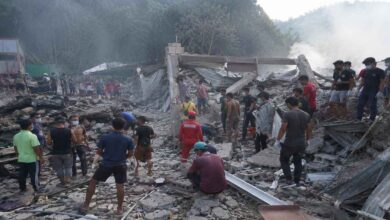
India on Thursday commemorated one year of Operation Sindoor, the large scale military operation launched in response to the deadly terror attack in Pahalgam that killed 26 people, most of them tourists. Political leaders, military officials and security agencies marked the anniversary with tributes, public messages and defence preparedness reviews across the country.
The operation was carried out during the early hours of May 7 last year after Indian intelligence linked the Pahalgam attack to Pakistan backed terror groups operating from across the border. The victims of the attack included newly married couples and tourists who were reportedly targeted based on religion. A local pony ride operator who tried to help visitors during the attack also lost his life.
Following the incident, Indian armed forces launched coordinated strikes on terror infrastructure located in Pakistan and Pakistan occupied Kashmir. According to official accounts, nine terror camps were targeted within a span of 22 minutes using advanced missile systems, loitering munitions and air launched precision weapons.
Among the major targets were the Jaish e Mohammad headquarters in Bahawalpur and the Lashkar e Taiba training facility at Muridke, which had earlier been linked to several terror attacks including the 2008 Mumbai attacks. Officials stated that at least 100 terrorists were eliminated during the operation.


Pakistan later attempted retaliatory strikes, but Indian defence systems intercepted most of them. The conflict intensified further on May 10 when India reportedly struck the Noor Khan air base in Rawalpindi using BrahMos missiles. Defence experts later described the strike as a major blow to Pakistan’s military command infrastructure.
After nearly 88 hours of confrontation, both countries reached a ceasefire understanding. Indian officials claimed that several Pakistani air bases were damaged and multiple aircraft were downed during the conflict before military communication channels were activated to stop further escalation.
Military analysts say Operation Sindoor significantly changed India’s security posture by demonstrating its willingness to target terror infrastructure beyond the border despite nuclear deterrence concerns. Senior military officers described the operation as a coordinated effort involving seamless cooperation between the Army, Navy and Air Force.
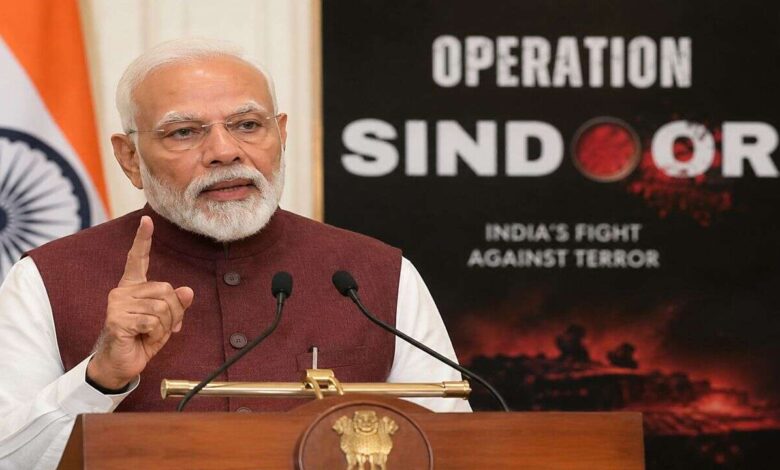
Prime Minister Narendra Modi paid tribute to the armed forces on the anniversary and praised their courage, precision and commitment. Union ministers including Amit Shah, Rajnath Singh and S Jaishankar also honoured the armed forces through public messages and commemorative displays on social media platforms.
The Indian Air Force released a special anniversary message remembering the operation and highlighting the country’s continued commitment against terrorism. Jammu and Kashmir Lieutenant Governor Manoj Sinha and Uttar Pradesh Chief Minister Yogi Adityanath also described the operation as a defining moment in India’s security response.
On the anniversary day, Defence Minister Rajnath Singh chaired a high level Joint Commanders Conference in Jaipur where military leaders reviewed future security challenges including cyber warfare, artificial intelligence based threats and evolving regional tensions.
Meanwhile, the Congress party questioned certain aspects of the conflict and ceasefire developments. Senior leader Jairam Ramesh referred to international diplomatic involvement during the ceasefire announcement and raised concerns over tactical decisions and foreign support extended to Pakistan during the conflict.