
Rice or Chapati Which Is Better for Heart Health Experts Explain the Difference
Health experts say both rice and chapati can be part of a balanced diet, but fiber content, digestion speed, and portion control play a major role in heart health.
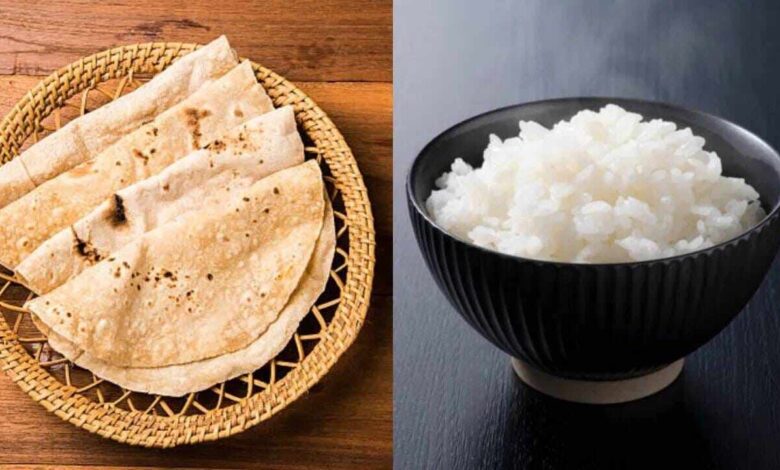
The debate over whether rice or chapati is healthier has continued for years, especially among people trying to improve heart health and maintain a balanced diet. While both foods are staple sources of carbohydrates and energy, nutrition experts say the impact on the body depends largely on the type of grain, portion size, and overall eating habits.
Doctors and diet experts explain that chapati made from whole wheat flour generally offers more fiber than regular white rice. Fiber plays an important role in controlling cholesterol levels and supporting better heart health. Foods rich in fiber also help improve digestion and keep people feeling full for a longer time, reducing unnecessary overeating.
White rice, on the other hand, has a higher glycemic index, which means it can raise blood sugar levels more quickly after meals. Frequent spikes in blood sugar may increase the risk of obesity, diabetes, and heart related conditions over time. Chapati usually has a lower glycemic index compared to white rice, making it a preferred option for people managing blood sugar and cardiovascular health.
However, experts say rice does not necessarily need to be avoided completely. Nutritionists recommend choosing brown rice instead of polished white rice whenever possible. Brown rice contains more nutrients and fiber because it retains its outer layers during processing. These nutrients may help support healthier arteries and improve overall metabolic health.


Health specialists also point out that digestion speed differs between the two foods. Rice is digested relatively quickly, which can make people feel hungry sooner. Chapati takes more time to digest, helping maintain fullness for a longer duration. This may support better weight management, which is directly connected to heart health and blood pressure control.
Another advantage of chapati is its nutritional profile. Compared to rice, wheat based chapati often contains slightly higher amounts of protein and magnesium. Magnesium is considered important for maintaining normal heart rhythm and relaxing blood vessels, both of which support cardiovascular function.
Still, experts warn that preparation methods matter as much as the food itself. Adding too much salt, oil, butter, or processed ingredients can reduce the health benefits of either option. People with heart conditions are advised to limit excess sodium intake, especially while preparing chapatis or side dishes.
Nutritionists now encourage people to look beyond the simple rice versus chapati debate and focus more on balanced eating habits. Multigrain chapatis made from oats, millet, sorghum, or other grains are increasingly being recommended as healthier alternatives because they provide additional nutrients and may help regulate blood pressure more effectively.
Doctors also stress the importance of portion control. Whether someone prefers rice or chapati, half of the plate should ideally include vegetables, salads, or fiber rich foods. A balanced meal with moderate portions and less oil or heavy spices is considered more beneficial for long term heart health than focusing on a single food item.
Experts say no single food alone determines overall health. The combination of regular exercise, balanced nutrition, proper hydration, and controlled portions plays a much bigger role in protecting the heart and maintaining overall wellness.