Why Washing Raw Chicken Before Cooking Could Be Putting Your Family at Risk
Health experts warn that washing raw chicken before cooking may spread dangerous bacteria across the kitchen and increase the risk of food poisoning and serious infections at home daily.
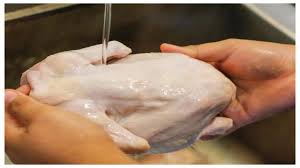
For many families, washing chicken thoroughly before cooking has always been considered a basic kitchen habit. People often believe rinsing raw meat several times under running water removes dirt and harmful germs. However, food safety experts are now warning that this common practice may actually create a bigger health risk inside the home.
According to health specialists, raw chicken naturally carries harmful bacteria such as Salmonella and Campylobacter. These microorganisms cannot be removed simply by washing the meat with water. In fact, when chicken is rinsed under a tap, tiny water droplets carrying bacteria can spread across the sink, kitchen counters, utensils, cutting boards, and even nearby food items. What looks like cleaning may silently contaminate the entire cooking area.
Medical experts say this type of cross contamination is one of the leading reasons behind food related illnesses. Children, elderly people, pregnant women, and individuals with weak immunity are considered more vulnerable to these infections. Food poisoning caused by contaminated surfaces can lead to stomach pain, vomiting, diarrhea, fever, and serious digestive problems.
Health agencies across the world have repeatedly advised people to avoid washing raw poultry before cooking. Experts explain that water alone cannot destroy bacteria. Only proper cooking temperatures can kill these harmful organisms completely. Chicken should always be cooked thoroughly until the internal temperature reaches at least 75 degrees Celsius. Proper cooking is considered the safest and most effective method to eliminate dangerous bacteria.


Many people continue washing chicken because they feel it improves cleanliness or removes odor. But specialists say hygiene in the kitchen depends more on safe handling practices than repeated washing. Storing raw chicken properly inside the refrigerator is equally important. It should always be kept in a sealed container away from vegetables, fruits, and ready to eat foods to avoid accidental contamination.
Kitchen hygiene also plays a major role in preventing infections. Hands must be washed with soap for at least twenty seconds after touching raw meat. Separate knives and cutting boards should be used for chicken and vegetables. Experts also recommend cleaning sinks and countertops immediately after handling raw poultry using hot water and soap.
Some people may still prefer washing chicken due to personal habits or cultural cooking practices. In such cases, extra care becomes necessary. The surrounding area must be disinfected properly to prevent bacteria from spreading. Even a small splash from contaminated water can carry germs farther than most people realize.
Nutritionists say chicken can be an excellent source of protein and part of a healthy diet when prepared safely. But careless handling in the kitchen can turn a healthy meal into a serious health threat. Experts stress that the focus should not be on washing the meat repeatedly, but on cooking it correctly and maintaining proper kitchen hygiene.
As awareness about food safety grows, doctors are encouraging families to rethink long followed cooking habits. A small change in kitchen practice today could help prevent dangerous infections and protect the health of everyone at home.