
Do Not Throw Away Sour Curd These Smart Kitchen and Home Hacks Can Save Money
Over fermented curd can still be useful in cooking, cleaning, gardening, and hair care as many households now turn simple kitchen leftovers into practical everyday household solutions.
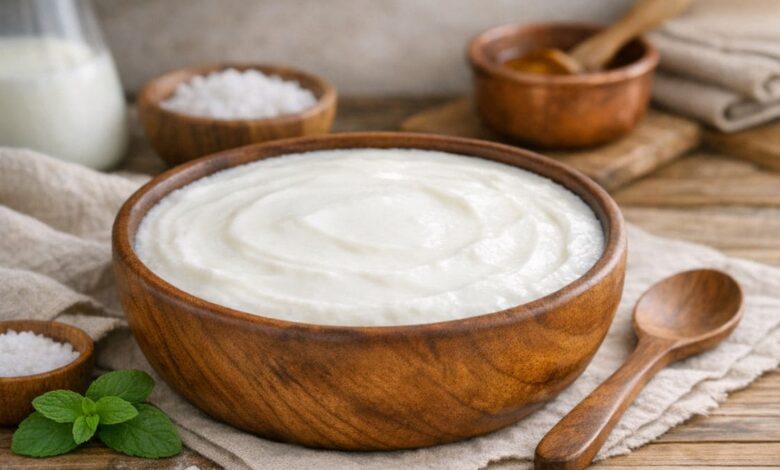
During summer, storing milk and curd becomes a daily challenge for many families. Even a short power cut or slight delay in refrigeration can turn fresh curd extremely sour within hours. Most people avoid eating overly sour curd because of its sharp taste and eventually pour it down the sink. However, home experts and cooking enthusiasts say this common kitchen problem can actually become surprisingly useful.
Many traditional recipes taste even better when prepared with slightly sour curd. Social media cooking communities are now sharing creative ways to reuse fermented curd instead of wasting it. From fluffy bhaturas to soft dhoklas and crispy dosas, this leftover ingredient can easily improve texture and flavor in several dishes.
One of the most popular uses is preparing instant dhokla. Sour curd naturally helps fermentation and gives the batter a light and spongy texture. Home cooks say the same trick works beautifully for bhatura dough as well. The slight tanginess helps the dough become softer, giving the final dish a restaurant style taste and texture.
People who struggle to ferment dosa batter properly also find sour curd helpful. Adding a small quantity to the batter can improve both taste and crispiness. In many western Indian households, sour curd is also considered essential for preparing kadhi, a flavorful yogurt based curry that tastes best with a slightly tangy flavor.


Beyond cooking, sour curd is now being used in several practical household cleaning hacks. Brass and copper utensils often lose their shine over time and develop dark stains. Mixing sour curd with a little salt creates a natural cleaning paste that can remove dullness from metal surfaces. Many homemakers say this simple method restores shine without using expensive chemical cleaners.
Gardening enthusiasts have also started using leftover sour curd as a natural plant booster. A diluted mixture of curd and water can be poured near flowering plants as a mild organic nutrient. According to several home gardening communities, this method may help soil health and support plant growth during dry summer months.
Beauty and hair care routines are also making space for fermented curd. Applying it to the scalp before washing hair is believed to reduce dandruff and soften rough hair naturally. Since curd contains beneficial bacteria and moisture, many people prefer it as an affordable homemade hair pack instead of chemical based products.
Experts say reducing kitchen waste has become more important than ever as food prices continue to rise. Simple habits like reusing sour curd not only save money but also encourage sustainable living practices inside homes. What once looked like spoiled food is now becoming part of smart kitchen management.
With growing awareness around recycling household ingredients creatively, sour curd is no longer seen as waste in many homes. Instead, it is turning into a versatile ingredient that supports cooking, cleaning, gardening, and self care in simple yet effective ways.